Smart home technology is transforming the way we live, offering convenience, security, and energy efficiency at the touch of a button. From controlling lights with your smartphone to monitoring your home remotely, smart systems make everyday living easier and more efficient. Installing a smart home setup may seem complex at first, but with the right approach and understanding, you can create a connected home that enhances comfort and functionality.
Planning Your Smart Home System for Maximum Efficiency
Before diving into installation, it’s essential to plan your smart home system carefully. Start by identifying your needs and priorities. Do you want better security, energy savings, or enhanced convenience? Understanding your goals will help you choose the right devices and avoid unnecessary expenses.
Consider the size and layout of your home. Larger homes may require more devices or stronger connectivity solutions, such as mesh Wi-Fi systems, to ensure seamless operation. Compatibility is another important factor. Make sure all your smart devices can work together through a central platform or hub.
It’s also helpful to plan your budget in advance. Smart home devices come in a wide range of prices, so deciding how much you’re willing to spend can help narrow down your options. Start with essential systems and expand gradually as needed.
Another key consideration is internet reliability. A stable and fast internet connection is crucial for the smooth functioning of smart devices. Without it, even the most advanced systems may not perform effectively.
Choosing the Right Smart Devices and Technologies
Selecting the right devices is the backbone of your smart home installation. There are various categories of smart devices available, each designed to improve different aspects of your home.
Smart lighting systems allow you to control brightness, color, and schedules remotely. These systems can create different moods and reduce energy consumption. Smart thermostats help regulate temperature efficiently, learning your preferences and adjusting settings automatically.
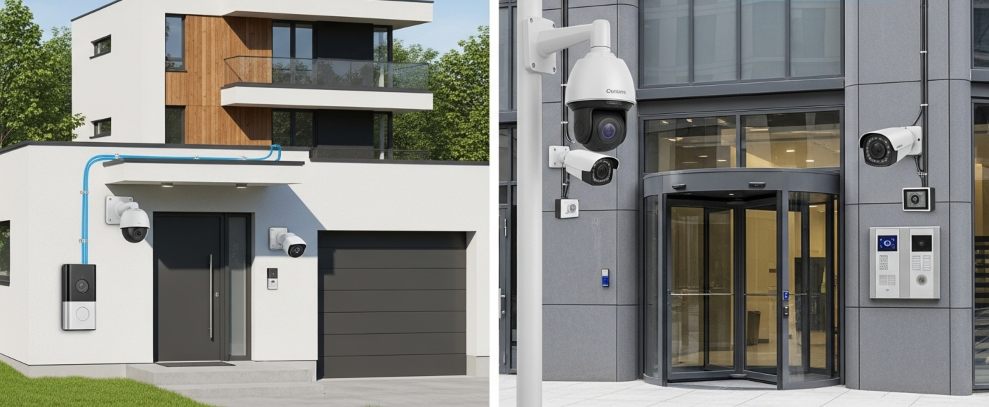
Home security is one of the most popular applications of smart technology. Smart cameras, doorbells, and locks provide real-time monitoring and alerts, giving you peace of mind whether you’re at home or away. Motion sensors and alarm systems further enhance security.
Entertainment systems can also be integrated into your smart home. Smart TVs, speakers, and streaming devices can be controlled through a single interface, making it easier to manage your media experience.
Voice assistants play a central role in many smart homes. They allow you to control devices using simple voice commands, making your home more interactive and user-friendly.
Installation Process and Setup Tips
Installing a smart home system can be straightforward if approached step by step. Begin by setting up your central hub or app, which will act as the control center for all your devices. Many smart devices come with their own apps, but integrating them into a single platform simplifies management.
Start with easy-to-install devices such as smart bulbs or plugs. These usually require minimal setup and can be controlled immediately after installation. Once you’re comfortable, move on to more complex systems like security cameras or thermostats.
Follow the manufacturer’s instructions carefully during installation. Proper setup ensures that devices function correctly and reduces the risk of technical issues. Placement is also important—devices like cameras and sensors should be positioned strategically for maximum effectiveness.
Network security should not be overlooked. Protect your smart home system with strong passwords and secure your Wi-Fi network to prevent unauthorized access. Regular software updates are also important to keep your devices functioning smoothly and securely.
If you’re unsure about installing certain devices, consider hiring a professional to ensure proper setup and integration.
Maintaining and Expanding Your Smart Home System
Once your smart home is up and running, regular maintenance is essential to keep it functioning efficiently. Keep your devices updated with the latest software to improve performance and security. Most smart devices provide automatic updates, but it’s good to check periodically.
Monitoring your system helps you identify any issues early. If a device is not responding or performing as expected, troubleshooting steps such as restarting or reconnecting it can often resolve the problem.
As your needs evolve, you can expand your smart home system by adding new devices. Start with basic features and gradually integrate more advanced technologies. This approach allows you to build a system that suits your lifestyle without overwhelming yourself.
Energy management is another advantage of smart homes. By analyzing usage patterns, you can optimize energy consumption and reduce utility costs. Automated schedules and sensors can ensure that lights and appliances are used only when needed.
A well-maintained smart home system not only enhances convenience but also adds value to your property. By staying updated with the latest technologies and continuously improving your setup, you can enjoy a modern, efficient, and connected living environment.
Smart home installation is an investment in comfort, security, and efficiency. With careful planning, the right devices, and proper maintenance, you can create a home that adapts to your needs and simplifies everyday living.