Author: Graz Kitchen Fresh Admin

  • Fix It Yourself: Smart DIY Home Repair Hacks to Save Time and Money

    Fix It Yourself: Smart DIY Home Repair Hacks to Save Time and Money

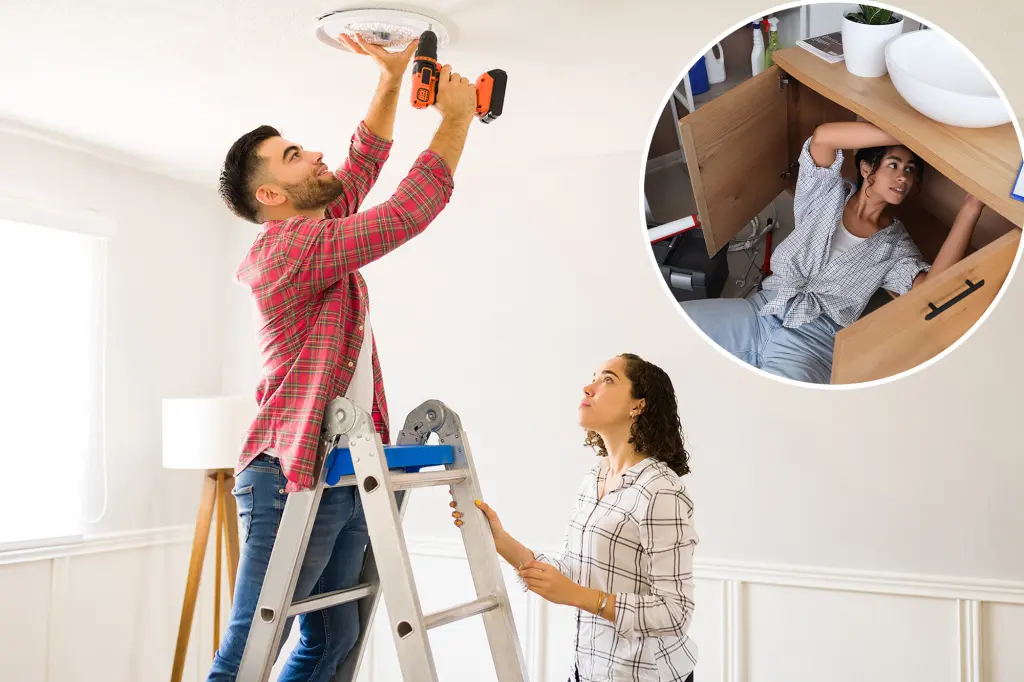
    Maintaining a home doesn’t always require hiring professionals for every small issue. With the right knowledge and a few basic tools, many common household problems can be fixed quickly and affordably. DIY home repair hacks not only help you save money but also give you the confidence to handle everyday maintenance tasks. From fixing leaks to repairing walls, learning these simple techniques can make your home more functional and well-maintained.

    Essential Tools Every Homeowner Should Have

    Before starting any DIY repair project, having the right tools is crucial. A basic toolkit can handle a wide range of household repairs and prevent unnecessary delays. Essential tools include a hammer, screwdrivers, adjustable wrench, pliers, measuring tape, and a utility knife. These tools are versatile and can be used for various tasks around the home.

    A cordless drill is another valuable addition, making it easier to install fixtures, assemble furniture, or repair cabinets. Keeping a set of nails, screws, and wall anchors ensures that you’re always prepared for quick fixes.

    Safety equipment is just as important as tools. Gloves, safety goggles, and a dust mask can protect you from injuries while working. Proper lighting is also essential to ensure accuracy and safety during repairs.

    Organizing your tools in a dedicated toolbox or storage area will save time and make your projects more efficient. Being prepared is the first step toward successful DIY repairs.

    Quick Fixes for Common Household Problems

    Many common home issues can be resolved with simple DIY solutions. For example, a leaking faucet is often caused by a worn-out washer or seal. Replacing this small component can stop the leak and save water.

    Squeaky doors are another frequent annoyance. Applying a small amount of lubricant or oil to the hinges can eliminate the noise instantly. Similarly, loose cabinet handles or door knobs can be tightened with a screwdriver in just a few minutes.

    Wall damage, such as small holes or cracks, can be repaired using filler or putty. Once it dries, sanding and repainting the area will restore a smooth finish. For clogged drains, using a plunger or a mixture of baking soda and vinegar can often clear the blockage without the need for harsh chemicals.

    Fixing minor electrical issues, like replacing a light switch or socket cover, is also manageable with proper precautions. Always ensure the power is turned off before working with electrical components.

    Improving Your Home with Simple DIY Upgrades

    DIY projects are not limited to repairs—they can also enhance your home’s appearance and functionality. Installing floating shelves is a great way to add storage and style to any room. These shelves are easy to install and can be customized to fit your space.

    Painting is another popular DIY upgrade. A fresh coat of paint can transform a room without requiring a large investment. You can also experiment with accent walls or creative designs to add personality to your space.

    Updating fixtures such as faucets, lighting, or cabinet hardware can give your home a modern look. These small changes often have a big impact on the overall design.

    Weatherproofing your home is another practical DIY project. Sealing gaps around windows and doors can improve energy efficiency and reduce utility costs. Adding door sweeps or weatherstripping helps keep your home comfortable throughout the year.

    These upgrades not only improve your living space but also increase the value of your property.

    Knowing When to Call a Professional

    While DIY repairs can handle many situations, it’s important to recognize when professional help is necessary. Complex tasks such as major plumbing repairs, electrical work, or structural changes should be handled by experts to ensure safety and compliance with regulations.

    Attempting advanced repairs without proper knowledge can lead to further damage and higher costs. If a problem seems beyond your skill level or requires specialized tools, it’s best to consult a professional.

    Regular maintenance can help prevent major issues from developing. Scheduling periodic inspections for systems like plumbing, roofing, and electrical wiring ensures that potential problems are identified early.

    Balancing DIY efforts with professional assistance is the key to maintaining a safe and efficient home. By handling simple repairs yourself and seeking help when needed, you can keep your home in excellent condition.

    DIY home repair hacks empower you to take control of your living space. With the right tools, basic knowledge, and a willingness to learn, you can handle many everyday issues with ease. Not only does this save money, but it also provides a sense of accomplishment and independence in maintaining your home.

  • Go Green at Home: Practical Energy Efficient Home Tips for Modern Living

    Go Green at Home: Practical Energy Efficient Home Tips for Modern Living

    Creating an energy-efficient home is not just about reducing electricity bills—it’s about building a sustainable lifestyle that benefits both your wallet and the environment. With rising energy costs and increasing awareness about environmental impact, homeowners are now focusing on smarter ways to conserve energy without compromising comfort. From small daily habits to larger upgrades, adopting energy-efficient practices can significantly improve your home’s performance and reduce long-term expenses.

    Improving Insulation and Reducing Energy Loss

    One of the most effective ways to make your home energy-efficient is by improving insulation. Poor insulation allows heat to escape during winter and enter during summer, forcing your heating and cooling systems to work harder. Proper insulation helps maintain a stable indoor temperature, reducing the need for excessive energy use.

    Start by checking areas such as walls, roofs, and floors for gaps or weak insulation. Sealing cracks around doors and windows can also prevent air leakage. Weatherstripping and caulking are simple solutions that can make a big difference in reducing energy loss.

    Double-glazed windows are another excellent upgrade. They provide better thermal insulation compared to single-pane windows, keeping your home comfortable throughout the year. Curtains and blinds can also help regulate indoor temperatures by blocking heat during hot days and retaining warmth during colder months.

    Investing in proper insulation not only lowers energy consumption but also enhances overall comfort in your home.

    Upgrading to Energy-Efficient Appliances and Lighting

    Modern appliances are designed to consume less energy while delivering better performance. Replacing old appliances with energy-efficient models can significantly reduce your electricity usage over time. Look for appliances with high energy ratings, as they are built to operate efficiently.

    Lighting is another area where you can make immediate improvements. Switching to LED bulbs is one of the easiest ways to save energy. LEDs use less electricity and last much longer than traditional incandescent bulbs, making them a cost-effective choice.

    Smart appliances are also gaining popularity. From refrigerators to washing machines, these devices optimize energy use by adjusting their operation based on your habits. Smart lighting systems allow you to control brightness and schedules, ensuring that lights are only used when needed.

    Using power strips to manage multiple devices can also help reduce standby power consumption. Many electronics continue to draw power even when turned off, so unplugging them or using smart power strips can make a noticeable difference.

    Adopting Smart Energy Habits in Daily Life

    Energy efficiency is not just about upgrades—it’s also about how you use energy on a daily basis. Simple habits can have a significant impact when practiced consistently.

    For example, turning off lights and appliances when not in use is a basic yet effective habit. Using natural light during the day reduces the need for artificial lighting. Adjusting your thermostat by a few degrees can also lead to substantial energy savings without affecting comfort.

    Using energy-efficient cooking methods, such as using lids on pots or opting for pressure cookers, can reduce cooking time and energy consumption. Similarly, washing clothes in cold water and air-drying them instead of using a dryer can save both energy and money.

    Water usage also plays a role in energy efficiency. Heating water requires energy, so using low-flow showerheads and fixing leaks promptly can help reduce consumption. Being mindful of daily habits creates a more sustainable lifestyle over time.

    Investing in Renewable Energy and Long-Term Solutions

    For homeowners looking to take energy efficiency to the next level, renewable energy solutions offer long-term benefits. Solar panels are one of the most popular options, allowing you to generate your own electricity and reduce reliance on traditional power sources.

    Although the initial investment may be high, solar systems can significantly lower energy bills over time and even provide returns through energy savings. In some cases, excess energy can be stored or fed back into the grid, further increasing efficiency.

    Energy-efficient heating and cooling systems are another worthwhile investment. Modern HVAC systems are designed to consume less energy while maintaining optimal indoor temperatures. Regular maintenance of these systems ensures they continue to operate efficiently.

    Home automation systems can also contribute to energy savings. By controlling lighting, temperature, and appliances automatically, these systems optimize energy use without requiring constant manual adjustments.

    Creating an energy-efficient home is a continuous process that combines smart upgrades, mindful habits, and long-term planning. By focusing on insulation, efficient appliances, daily practices, and renewable energy solutions, you can significantly reduce your energy consumption while enjoying a comfortable and sustainable living environment.

  • Transform Your Floors: Best Flooring Upgrade Options for Style and Durability

    Transform Your Floors: Best Flooring Upgrade Options for Style and Durability

    Upgrading your flooring is one of the most effective ways to enhance the appearance, comfort, and value of your home. Floors are a foundational element of interior design, influencing both the aesthetic and functionality of every room. Whether you’re renovating a single space or your entire home, choosing the right flooring can make a significant difference. With a wide range of materials and styles available, understanding your options will help you make a smart and lasting investment.

    Understanding Different Flooring Types and Their Benefits

    Before selecting a flooring option, it’s important to understand the characteristics of different materials. Each type of flooring offers unique advantages in terms of durability, maintenance, and appearance.

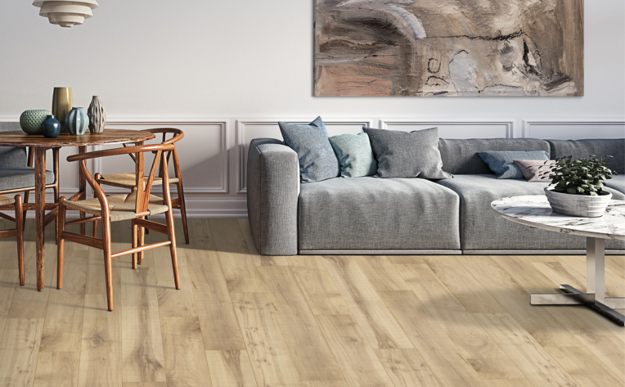
    Hardwood flooring is a classic choice known for its natural beauty and long lifespan. It adds warmth and elegance to any room and can be refinished multiple times to maintain its appearance. However, it may not be ideal for areas exposed to high moisture.

    Laminate flooring is a popular alternative to hardwood, offering a similar look at a more affordable price. It is resistant to scratches and easy to maintain, making it suitable for high-traffic areas. Vinyl flooring, especially luxury vinyl planks, is another versatile option. It is water-resistant, durable, and available in a wide variety of designs that mimic natural materials.

    Tile flooring is highly durable and perfect for areas like kitchens and bathrooms. Ceramic and porcelain tiles are resistant to water and stains, making them easy to clean. Carpet, on the other hand, provides comfort and warmth, making it a great choice for bedrooms and living rooms.

    Each flooring type has its own strengths, so your choice should depend on your specific needs and lifestyle.

    Choosing Flooring Based on Room Functionality

    Different rooms in your home have different requirements, and your flooring choice should reflect that. For example, moisture-resistant materials are essential in bathrooms and kitchens, while comfort and warmth are more important in bedrooms and living areas.

    In high-traffic areas such as hallways and entryways, durability is key. Materials like tile, vinyl, or laminate are ideal for these spaces as they can withstand heavy use. For living rooms, hardwood or carpet can create a cozy and inviting atmosphere.

    Kitchens require flooring that is both durable and easy to clean. Spills and stains are common in this area, so water-resistant materials like tile or vinyl are often the best choice. In bathrooms, slip-resistant surfaces are important for safety, along with materials that can handle humidity.

    If you have children or pets, consider flooring that is scratch-resistant and easy to maintain. Choosing the right flooring for each room ensures that your home remains functional and comfortable.

    Modern Trends and Design Considerations

    Flooring trends have evolved significantly, offering homeowners a wide range of stylish options. Natural and eco-friendly materials are becoming increasingly popular, as more people look for sustainable solutions. Bamboo and cork flooring are excellent examples of environmentally friendly choices that also provide unique aesthetics.

    Color and texture play a major role in modern flooring design. Light-colored floors can make a space feel larger and more open, while darker tones add richness and sophistication. Textured finishes, such as hand-scraped or distressed wood, add character and depth to a room.

    Patterned flooring is another trend gaining popularity. Herringbone and chevron patterns, for example, create visual interest and a sense of luxury. Mixing different materials, such as combining wood with tile, can also result in a unique and personalized design.

    Consistency throughout your home is important for a cohesive look. While it’s okay to use different materials in different rooms, maintaining a similar color palette helps create a harmonious flow.

    Installation, Budgeting, and Maintenance Tips

    Proper installation is crucial for the longevity and performance of your flooring. While some flooring types, like laminate and vinyl, can be installed as DIY projects, others, such as hardwood or tile, may require professional installation for the best results.

    Budgeting is an important part of the flooring upgrade process. In addition to the cost of materials, consider expenses such as installation, underlayment, and maintenance. It’s often worth investing in higher-quality materials that offer better durability and long-term value.

    Maintenance requirements vary depending on the type of flooring. Hardwood floors may need periodic refinishing, while carpets require regular vacuuming and occasional deep cleaning. Tile and vinyl are generally easier to maintain, requiring only routine cleaning to keep them looking new.

    Protecting your flooring from damage is also essential. Using rugs in high-traffic areas, placing pads under furniture, and cleaning spills promptly can help extend the life of your floors.

    Upgrading your flooring is more than just a visual improvement—it’s an investment in the comfort and functionality of your home. By understanding different materials, considering room-specific needs, and following proper installation and maintenance practices, you can choose flooring that enhances your living space for years to come.

  • Upgrade Your Lifestyle: A Complete Guide to Smart Home Installation

    Upgrade Your Lifestyle: A Complete Guide to Smart Home Installation

    Smart home technology is transforming the way we live, offering convenience, security, and energy efficiency at the touch of a button. From controlling lights with your smartphone to monitoring your home remotely, smart systems make everyday living easier and more efficient. Installing a smart home setup may seem complex at first, but with the right approach and understanding, you can create a connected home that enhances comfort and functionality.

    Planning Your Smart Home System for Maximum Efficiency

    Before diving into installation, it’s essential to plan your smart home system carefully. Start by identifying your needs and priorities. Do you want better security, energy savings, or enhanced convenience? Understanding your goals will help you choose the right devices and avoid unnecessary expenses.

    Consider the size and layout of your home. Larger homes may require more devices or stronger connectivity solutions, such as mesh Wi-Fi systems, to ensure seamless operation. Compatibility is another important factor. Make sure all your smart devices can work together through a central platform or hub.

    It’s also helpful to plan your budget in advance. Smart home devices come in a wide range of prices, so deciding how much you’re willing to spend can help narrow down your options. Start with essential systems and expand gradually as needed.

    Another key consideration is internet reliability. A stable and fast internet connection is crucial for the smooth functioning of smart devices. Without it, even the most advanced systems may not perform effectively.

    Choosing the Right Smart Devices and Technologies

    Selecting the right devices is the backbone of your smart home installation. There are various categories of smart devices available, each designed to improve different aspects of your home.

    Smart lighting systems allow you to control brightness, color, and schedules remotely. These systems can create different moods and reduce energy consumption. Smart thermostats help regulate temperature efficiently, learning your preferences and adjusting settings automatically.

    Home security is one of the most popular applications of smart technology. Smart cameras, doorbells, and locks provide real-time monitoring and alerts, giving you peace of mind whether you’re at home or away. Motion sensors and alarm systems further enhance security.

    Entertainment systems can also be integrated into your smart home. Smart TVs, speakers, and streaming devices can be controlled through a single interface, making it easier to manage your media experience.

    Voice assistants play a central role in many smart homes. They allow you to control devices using simple voice commands, making your home more interactive and user-friendly.

    Installation Process and Setup Tips

    Installing a smart home system can be straightforward if approached step by step. Begin by setting up your central hub or app, which will act as the control center for all your devices. Many smart devices come with their own apps, but integrating them into a single platform simplifies management.

    Start with easy-to-install devices such as smart bulbs or plugs. These usually require minimal setup and can be controlled immediately after installation. Once you’re comfortable, move on to more complex systems like security cameras or thermostats.

    Follow the manufacturer’s instructions carefully during installation. Proper setup ensures that devices function correctly and reduces the risk of technical issues. Placement is also important—devices like cameras and sensors should be positioned strategically for maximum effectiveness.

    Network security should not be overlooked. Protect your smart home system with strong passwords and secure your Wi-Fi network to prevent unauthorized access. Regular software updates are also important to keep your devices functioning smoothly and securely.

    If you’re unsure about installing certain devices, consider hiring a professional to ensure proper setup and integration.

    Maintaining and Expanding Your Smart Home System

    Once your smart home is up and running, regular maintenance is essential to keep it functioning efficiently. Keep your devices updated with the latest software to improve performance and security. Most smart devices provide automatic updates, but it’s good to check periodically.

    Monitoring your system helps you identify any issues early. If a device is not responding or performing as expected, troubleshooting steps such as restarting or reconnecting it can often resolve the problem.

    As your needs evolve, you can expand your smart home system by adding new devices. Start with basic features and gradually integrate more advanced technologies. This approach allows you to build a system that suits your lifestyle without overwhelming yourself.

    Energy management is another advantage of smart homes. By analyzing usage patterns, you can optimize energy consumption and reduce utility costs. Automated schedules and sensors can ensure that lights and appliances are used only when needed.

    A well-maintained smart home system not only enhances convenience but also adds value to your property. By staying updated with the latest technologies and continuously improving your setup, you can enjoy a modern, efficient, and connected living environment.

    Smart home installation is an investment in comfort, security, and efficiency. With careful planning, the right devices, and proper maintenance, you can create a home that adapts to your needs and simplifies everyday living.

  • Master the Art of Wall Painting: Proven Techniques for a Flawless Finish

    Master the Art of Wall Painting: Proven Techniques for a Flawless Finish

    Wall painting is one of the simplest yet most transformative ways to enhance the look and feel of your home. A fresh coat of paint can brighten a room, create a new atmosphere, and even increase property value. However, achieving a professional-quality finish requires more than just picking up a brush and applying paint. With the right techniques, tools, and preparation, you can achieve smooth, long-lasting results that elevate your interior or exterior spaces.

    Preparing Your Walls for a Perfect Paint Job

    Preparation is the most important step in any painting project. Skipping this stage often leads to uneven finishes, peeling paint, or visible imperfections. Start by cleaning your walls to remove dust, grease, and dirt. A clean surface ensures better paint adhesion and a smoother result.

    Next, inspect the walls for cracks, holes, or dents. Use filler or putty to repair these imperfections and sand the surface once it dries. Sanding creates a smooth base and helps the paint adhere properly. If your walls have old, peeling paint, it’s essential to scrape it off before applying a new coat.

    Priming is another crucial step, especially if you’re painting over a dark color or a stained surface. A primer helps create an even base, improves paint coverage, and enhances durability. It also reduces the number of paint coats required, saving both time and money.

    Finally, protect your surroundings. Cover floors, furniture, and fixtures with drop cloths or plastic sheets. Use painter’s tape to secure edges and prevent paint from spreading to unwanted areas.

    Choosing the Right Tools and Paint Types

    The quality of your tools and paint can significantly impact the final result. Brushes, rollers, and sprayers each serve different purposes, and selecting the right one depends on the type of surface you’re working on.

    Brushes are ideal for detailed work, such as edges and corners, while rollers are perfect for covering large areas quickly and evenly. Paint sprayers provide a smooth and professional finish but require more skill and preparation.

    When it comes to paint types, there are several options to consider. Matte finishes are great for hiding imperfections, while satin and eggshell finishes offer a slight sheen and are easier to clean. Glossy finishes are highly durable and suitable for areas that require frequent cleaning, such as kitchens and bathrooms.

    Color selection is another important factor. Light colors can make a room feel larger and more open, while darker shades add depth and sophistication. It’s always a good idea to test paint samples on your walls before making a final decision.

    Investing in high-quality paint may cost more upfront but often provides better coverage, durability, and overall appearance.

    Applying Paint with Professional Techniques

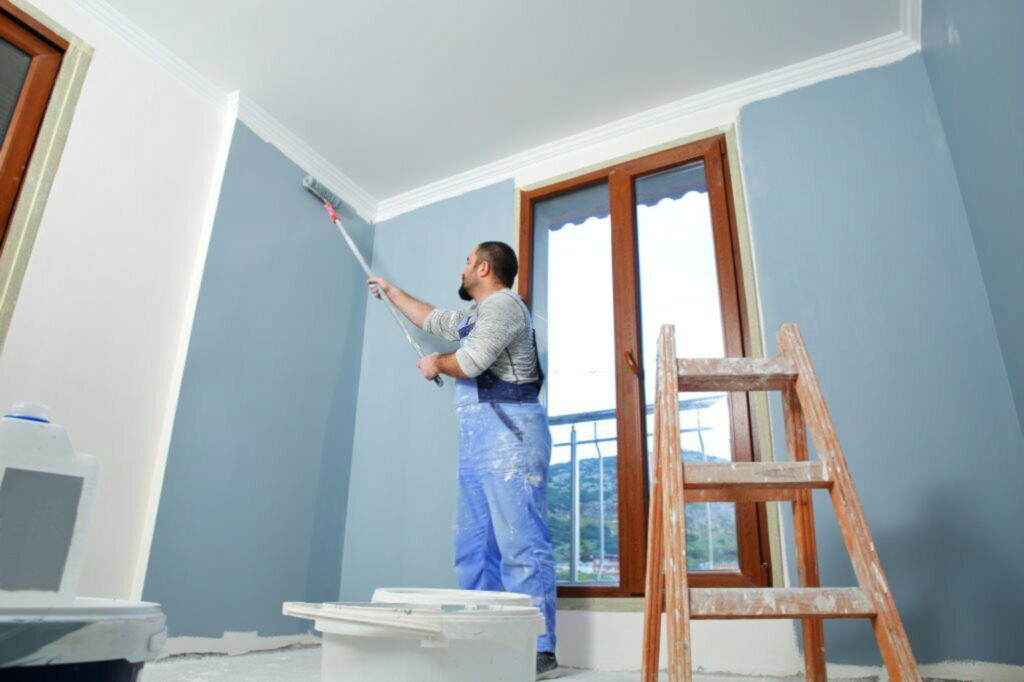
    Once your walls are prepared and your tools are ready, it’s time to start painting. Begin by cutting in the edges using a brush. This involves painting the corners, edges, and areas around fixtures before using a roller on larger surfaces.

    When using a roller, apply paint in a “W” or “M” pattern to distribute it evenly. This technique helps avoid streaks and ensures consistent coverage. Work in small sections and blend each area while the paint is still wet to prevent visible lines.

    Applying multiple thin coats is better than using one thick coat. Thin layers dry more evenly and reduce the risk of drips and uneven texture. Allow each coat to dry completely before applying the next one.

    Maintaining a steady hand and consistent pressure is key to achieving a smooth finish. Avoid overloading your brush or roller with paint, as this can lead to drips and uneven application.

    Proper ventilation during painting is also important. It helps the paint dry faster and reduces exposure to fumes, creating a safer working environment.

    Finishing Touches and Maintenance for Lasting Results

    The final steps of your painting project are just as important as the initial preparation. Once the paint has dried, carefully remove painter’s tape to reveal clean, sharp edges. Touch up any areas that may need additional coverage or correction.

    Inspect your walls under different lighting conditions to ensure a consistent finish. Minor imperfections can often be fixed with a small brush or roller.

    Cleaning your tools immediately after use helps maintain their quality for future projects. Proper storage of leftover paint also ensures it remains usable for touch-ups later on.

    Maintenance is key to preserving the beauty of your painted walls. Regular cleaning with a soft cloth or mild detergent can keep your walls looking fresh. Avoid using harsh chemicals that may damage the paint finish.

    If you notice chips or cracks over time, address them promptly to prevent further damage. Keeping a small amount of leftover paint makes it easier to perform quick touch-ups.

    Wall painting is both an art and a skill that improves with practice. By focusing on proper preparation, using the right tools, and applying professional techniques, you can achieve stunning results that enhance the overall look of your home. With a little patience and attention to detail, your walls can become a beautiful reflection of your style and creativity.

  • Protect Your Home: Effective Roof Repair Solutions for Long-Lasting Safety

    Protect Your Home: Effective Roof Repair Solutions for Long-Lasting Safety

    Your roof is one of the most critical components of your home, acting as the first line of defense against weather, environmental damage, and structural wear. Over time, even the most durable roofs can develop issues such as leaks, cracks, or missing shingles. Addressing these problems early with the right repair solutions can save you from costly damage and extend the lifespan of your roof. Whether you’re dealing with minor wear or significant structural concerns, understanding effective roof repair strategies is essential for maintaining a safe and secure home.

    Identifying Common Roof Problems Early

    The key to successful roof repair is early detection. Small issues can quickly escalate into major problems if left unaddressed. One of the most common signs of roof damage is water leakage. If you notice water stains on ceilings or walls, it may indicate a compromised roof. Damp spots, mold growth, or peeling paint are also warning signs that moisture is entering your home.

    Another common issue is damaged or missing shingles. Shingles can crack, curl, or fall off due to age, weather conditions, or poor installation. Inspecting your roof regularly—especially after storms—can help you identify these problems early.

    Clogged or damaged gutters can also affect your roof’s health. When gutters are blocked, water can accumulate and seep under roofing materials, leading to damage over time. Additionally, sagging areas on the roof may indicate structural issues that require immediate attention.

    Regular inspections, both from the ground and by professionals, can help you stay ahead of potential problems. Preventive maintenance is always more cost-effective than major repairs.

    Choosing the Right Materials for Roof Repairs

    Selecting the appropriate materials is crucial for durable and long-lasting roof repairs. The type of material you choose should match your existing roof and suit your local climate conditions.

    Asphalt shingles are one of the most commonly used roofing materials due to their affordability and ease of installation. They are available in various styles and colors, making them a versatile option for many homeowners. For those seeking durability, metal roofing is an excellent choice. It offers resistance to harsh weather conditions and has a longer lifespan compared to traditional materials.

    Tile and slate roofs provide a more premium look and exceptional durability but may require specialized installation and repair techniques. If your roof uses these materials, it’s best to consult experienced professionals for repairs.

    Sealants and waterproof coatings are often used for minor repairs, such as fixing small leaks or cracks. These solutions can provide temporary protection, but they should not replace more permanent repairs when needed.

    Using high-quality materials ensures that your repairs last longer and reduces the need for frequent maintenance.

    DIY Repairs vs Professional Roofing Services

    When it comes to roof repairs, homeowners often face the decision of whether to handle the work themselves or hire professionals. While some minor repairs can be done as DIY projects, it’s important to understand the limitations and risks involved.

    Simple tasks such as replacing a few shingles, sealing small leaks, or cleaning gutters can often be managed with basic tools and safety precautions. However, working on a roof can be dangerous, especially without proper equipment or experience.

    For more complex issues, such as structural damage, extensive leaks, or large-scale repairs, hiring professional roofing contractors is highly recommended. Professionals have the expertise, tools, and safety training required to handle repairs efficiently and effectively.

    Another advantage of hiring experts is the assurance of quality work. Many contractors provide warranties on their services, giving you peace of mind. Additionally, they can identify underlying issues that may not be visible to an untrained eye.

    Balancing cost and safety is essential when deciding between DIY and professional repairs. While DIY projects can save money, improper repairs may lead to more expensive problems in the future.

    Preventive Maintenance for Long-Term Roof Health

    Preventive maintenance is the best way to extend the life of your roof and minimize the need for repairs. Regular upkeep helps you identify potential issues early and ensures that your roof remains in good condition.

    Start by scheduling routine inspections, ideally twice a year and after major weather events. Cleaning gutters and downspouts is another important maintenance task, as it prevents water buildup and reduces the risk of leaks.

    Trimming overhanging branches can also protect your roof from damage caused by falling debris. Leaves and branches can accumulate on your roof, trapping moisture and leading to deterioration over time.

    Proper attic ventilation and insulation play a significant role in maintaining roof health. Poor ventilation can cause heat and moisture buildup, which can damage roofing materials and reduce their lifespan.

    Investing in regular maintenance not only protects your roof but also enhances the overall safety and efficiency of your home. By taking a proactive approach, you can avoid costly repairs and ensure that your roof continues to provide reliable protection for years to come.

    A well-maintained roof is essential for the safety and comfort of your home. By understanding common issues, choosing the right materials, and adopting effective repair and maintenance strategies, you can keep your roof in excellent condition and safeguard your investment.

  • Elevate Your Space: Stunning Living Room Interior Design Ideas for Modern Homes

    Elevate Your Space: Stunning Living Room Interior Design Ideas for Modern Homes

    The living room is the centerpiece of any home—a space where comfort meets style and where family and guests gather to relax and connect. Designing a living room that is both functional and visually appealing requires a thoughtful blend of layout, color, furniture, and decor. Whether you’re starting from scratch or refreshing your existing space, the right interior design approach can transform your living room into a welcoming and stylish environment that reflects your personality.

    Planning the Perfect Layout for Comfort and Flow

    A well-designed living room begins with an effective layout. The arrangement of furniture should promote easy movement while creating a comfortable and inviting atmosphere. Start by identifying the focal point of the room. This could be a television, a fireplace, or even a large window with a beautiful view. Once the focal point is established, arrange your seating around it to encourage conversation and relaxation.

    Consider the size and shape of your living room when planning the layout. In smaller spaces, opt for compact furniture and avoid overcrowding the room. Multi-functional pieces like storage ottomans or foldable tables can help maximize space. In larger rooms, you can create separate zones for different activities, such as a reading corner or an entertainment area.

    Spacing is crucial to ensure smooth movement. Leave enough room between furniture pieces to avoid a cramped feeling. Proper placement of rugs can also help define different areas within the room while adding warmth and texture.

    Choosing the Right Color Palette and Materials

    Color plays a significant role in setting the mood of your living room. Neutral tones such as beige, gray, and white create a calm and timeless look, while bold colors like navy, green, or mustard can add personality and depth. A balanced combination of base colors and accent shades often works best for a cohesive design.

    Materials and textures are equally important in creating visual interest. Combining different elements such as wood, metal, glass, and fabric can add depth to your space. For example, a wooden coffee table paired with a soft fabric sofa and metallic decor accents creates a balanced and modern look.

    Wall treatments can also enhance the overall design. You can opt for paint, wallpaper, or textured finishes to add character to your living room. Accent walls are a popular choice for creating a focal point without overwhelming the space.

    Flooring choices should complement the overall design while being durable and easy to maintain. Adding rugs can soften the look of hard floors and make the room feel more inviting.

    Selecting Furniture and Decor for Style and Function

    Furniture is the backbone of any living room design. Choosing the right pieces ensures both comfort and functionality. Start with a comfortable sofa that suits the size of your room. Sectional sofas are great for larger spaces, while compact sofas work well in smaller rooms.

    In addition to seating, consider essential furniture items such as coffee tables, side tables, and storage units. These pieces should complement your design style while serving practical purposes. Avoid overcrowding the room with unnecessary furniture, as it can make the space feel cluttered.

    Decor elements bring personality and life to your living room. Artwork, cushions, throws, and decorative objects can reflect your personal taste and enhance the overall aesthetic. Mirrors are particularly useful for making a room appear larger and brighter by reflecting light.

    Indoor plants are another excellent addition, adding freshness and a natural touch to your space. They not only improve air quality but also create a calming atmosphere.

    Lighting is a key component of both functionality and ambiance. Use a mix of lighting sources, including ceiling lights, floor lamps, and table lamps, to create layers of light. This approach allows you to adjust the mood of the room according to different activities and times of day.

    Incorporating Modern Trends and Personal Touches

    Modern living room design is all about blending style with individuality. While trends can provide inspiration, it’s important to adapt them to suit your personal preferences and lifestyle. Minimalist designs with clean lines and uncluttered spaces are currently popular, but you can also incorporate elements of other styles such as industrial, bohemian, or classic design.

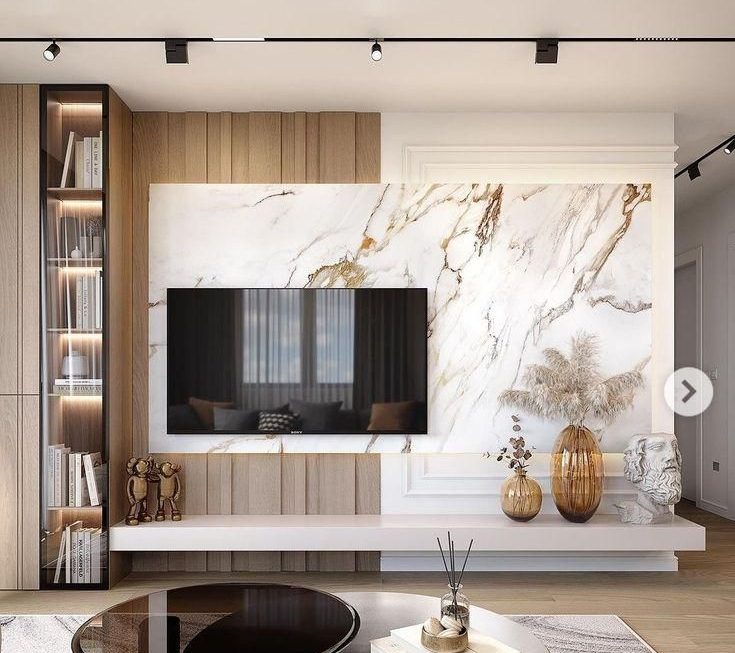
    Technology integration is another aspect of modern living rooms. Smart TVs, sound systems, and automated lighting can enhance your entertainment experience while maintaining a sleek and organized look. Concealing wires and using built-in units can help keep the space tidy.

    Personal touches make your living room truly unique. Displaying family photos, travel souvenirs, or handmade items adds character and tells a story about your life. Mixing old and new elements can create a balanced and meaningful design.

    Seasonal updates are a simple way to refresh your living room without major changes. Swapping cushions, adding new decor pieces, or changing color accents can give your space a fresh look throughout the year.

    A well-designed living room combines thoughtful planning, stylish elements, and personal expression. By focusing on layout, colors, furniture, and decor, you can create a space that is not only beautiful but also comfortable and functional. With the right design choices, your living room can become a place where style meets everyday living, offering both relaxation and inspiration.

  • Transform Your Space Beautifully: Expert Bathroom Renovation Tips for Modern Homes

    Transform Your Space Beautifully: Expert Bathroom Renovation Tips for Modern Homes

    A bathroom renovation is one of the most impactful upgrades you can make in your home. It not only enhances daily comfort but also increases property value and aesthetic appeal. Whether you’re working with a compact space or a large master bathroom, the right renovation approach can turn an ordinary area into a relaxing and functional retreat. With careful planning, smart design choices, and attention to detail, you can achieve a bathroom that balances style, efficiency, and practicality.

    Planning Your Bathroom Layout for Comfort and Functionality

    The foundation of any successful bathroom renovation starts with a well-planned layout. Before making any changes, evaluate your current space and identify what needs improvement. Consider factors such as movement flow, fixture placement, and storage requirements. A well-organized layout ensures that your bathroom is both functional and comfortable to use.

    Start by deciding whether you want to keep the existing layout or make structural changes. Keeping plumbing fixtures like the sink, toilet, and shower in their current positions can help reduce costs. However, if your current layout feels cramped or inefficient, redesigning the space may be worth the investment.

    Space optimization is key, especially in smaller bathrooms. Wall-mounted sinks, floating vanities, and compact storage solutions can help free up floor space and create a more open feel. For larger bathrooms, you can incorporate features like double sinks, separate shower areas, or even a bathtub for added luxury.

    Ventilation is another crucial aspect of planning. Proper airflow prevents moisture buildup, which can lead to mold and damage over time. Installing an efficient exhaust fan or improving natural ventilation will help maintain a healthy environment.

    Selecting Durable Materials and Stylish Finishes

    Choosing the right materials is essential for a bathroom renovation, as the space is exposed to moisture and frequent use. Durability and water resistance should be your top priorities when selecting surfaces and fixtures.

    Tiles are one of the most popular choices for bathroom walls and floors. Ceramic and porcelain tiles are durable, easy to clean, and available in a wide variety of designs. You can create a modern look with large-format tiles or add character with patterned designs. Natural stone tiles offer a luxurious feel but may require more maintenance.

    For countertops and vanities, materials like quartz and granite provide both durability and elegance. If you’re on a budget, there are also high-quality laminate options that mimic the appearance of natural materials.

    Color schemes play a significant role in setting the mood of your bathroom. Light colors can make a small space feel larger and more open, while darker tones add depth and sophistication. Combining neutral shades with subtle accents often creates a timeless and calming atmosphere.

    Fixtures and finishes, such as faucets, showerheads, and handles, should complement the overall design. Matte black, brushed nickel, and chrome finishes are popular choices that can enhance the visual appeal of your bathroom.

    Incorporating Modern Features and Smart Solutions

    Modern bathroom renovations go beyond basic upgrades—they focus on improving convenience and comfort through innovative features. Smart technology is becoming increasingly popular in bathrooms, offering enhanced functionality and efficiency.

    Consider installing a smart shower system that allows you to control water temperature and flow with precision. Heated floors are another luxurious addition, providing comfort during colder months. LED mirrors with built-in lighting and defogging features add both style and practicality.

    Storage is often a challenge in bathrooms, but modern solutions can help keep your space organized. Built-in shelves, recessed cabinets, and vanity storage units maximize space without cluttering the room. You can also use vertical storage to make the most of limited space.

    Water efficiency is another important consideration. Low-flow toilets, faucets, and showerheads can significantly reduce water consumption without compromising performance. These eco-friendly upgrades not only help the environment but also lower utility bills.

    Lighting is a key element that should not be overlooked. A combination of task lighting, ambient lighting, and accent lighting creates a balanced and inviting atmosphere. Proper lighting around mirrors is especially important for daily grooming tasks.

    Budgeting and Execution for a Successful Renovation

    A well-planned budget is essential for a smooth bathroom renovation process. Start by determining how much you are willing to spend and allocate funds to different aspects of the project, such as materials, labor, and fixtures. It’s important to prioritize quality for elements that experience heavy use, such as plumbing and flooring.

    If you’re working with professionals, choose experienced contractors who can deliver quality work within your budget. For smaller tasks like painting or installing accessories, you may consider doing it yourself to save costs. However, complex tasks such as plumbing and electrical work should always be handled by experts.

    Setting a realistic timeline is also important. Bathroom renovations can take time, especially if structural changes are involved. Plan accordingly and be prepared for minor delays.

    Don’t forget the finishing touches, as they bring the entire design together. Accessories such as towels, rugs, plants, and decorative items can add personality and warmth to your bathroom. Even small details like matching hardware and coordinated colors can make a big difference.

    A successful bathroom renovation combines thoughtful planning, quality materials, and modern features to create a space that is both functional and stylish. By focusing on your needs and making informed decisions, you can transform your bathroom into a comfortable and visually appealing part of your home that you’ll enjoy for years to come.

  • The Ultimate Kitchen Remodeling Guide: Design, Functionality, and Style Combined

    The Ultimate Kitchen Remodeling Guide: Design, Functionality, and Style Combined

    A kitchen is often considered the heart of the home—a place where meals are prepared, conversations happen, and memories are created. Remodeling your kitchen can significantly improve both the functionality and value of your home. Whether you’re planning a minor upgrade or a complete overhaul, a well-thought-out kitchen remodeling strategy ensures that your investment delivers long-term benefits. With the right balance of design, efficiency, and modern trends, you can create a kitchen that is both practical and visually appealing.

    Planning Your Kitchen Layout for Maximum Efficiency

    The first step in any successful kitchen remodel is planning the layout. A functional kitchen layout ensures smooth workflow and efficient use of space. One of the most popular concepts is the kitchen work triangle, which connects the sink, stove, and refrigerator. This layout minimizes unnecessary movement and enhances convenience during cooking.

    Before making any changes, assess your current kitchen. Identify what works and what doesn’t. Do you need more counter space? Is storage insufficient? Are appliances outdated or poorly positioned? Answering these questions will help you define your priorities.

    There are several layout options to consider, including L-shaped, U-shaped, galley, and open-plan kitchens. Open kitchens are increasingly popular as they create a seamless flow between the kitchen and living areas, making the space feel larger and more social. However, the right choice depends on your home’s structure and your lifestyle.

    Proper spacing is also essential. Ensure there is enough room to move comfortably, open cabinets, and operate appliances without obstruction. A well-planned layout lays the foundation for a successful remodeling project.

    Choosing the Right Materials and Finishes

    The materials you choose for your kitchen play a major role in its durability, appearance, and maintenance requirements. Countertops, cabinets, flooring, and backsplashes should all be selected carefully to ensure they complement each other while meeting your practical needs.

    For countertops, materials like granite, quartz, and marble are popular due to their durability and aesthetic appeal. If you’re looking for a budget-friendly option, laminate countertops offer a wide range of designs at a lower cost. Cabinets are another key element, and their style can define the overall look of your kitchen. Whether you prefer a modern, minimalist design or a classic wooden finish, choose cabinets that provide both beauty and functionality.

    Backsplashes are an excellent way to add personality to your kitchen. From simple subway tiles to bold patterns, they protect your walls while enhancing visual appeal. Flooring options such as tiles, vinyl, and hardwood should be chosen based on durability and ease of cleaning, especially in a high-traffic area like the kitchen.

    Finishes and color schemes also matter. Neutral tones create a timeless look, while bold colors can make a statement. Mixing textures and finishes can add depth and character to your kitchen design.

    Incorporating Modern Appliances and Smart Features

    Modern kitchens are not just about looks—they are about convenience and efficiency. Upgrading your appliances can significantly improve your cooking experience while reducing energy consumption. Energy-efficient appliances not only save money on utility bills but also contribute to a more sustainable home.

    Consider investing in smart kitchen technology. Smart refrigerators, ovens, and lighting systems allow you to control and monitor your kitchen remotely. For example, you can preheat your oven using your smartphone or adjust lighting to suit different moods and tasks.

    Storage solutions have also evolved with modern designs. Pull-out drawers, lazy Susans, and vertical storage units help maximize space and keep your kitchen organized. Built-in appliances and hidden storage compartments can create a clean and clutter-free look.

    Lighting is another important aspect. Combine task lighting, ambient lighting, and accent lighting to create a well-lit and inviting space. Under-cabinet lighting is particularly useful for illuminating work areas while adding a modern touch.

    Budgeting and Execution for a Smooth Remodeling Process

    A successful kitchen remodel requires careful budgeting and execution. Start by determining how much you are willing to spend and break down the costs into categories such as materials, labor, and appliances. It’s important to prioritize your spending based on your needs. For example, investing in high-quality cabinets and countertops may be more beneficial than spending heavily on decorative elements.

    Hiring professionals can make a significant difference, especially for complex tasks like plumbing and electrical work. However, if you have the necessary skills, you can handle smaller tasks yourself to save money. Always ensure that any work done meets safety standards and building regulations.

    Timing is another crucial factor. Kitchen remodeling can disrupt your daily routine, so plan accordingly. Set a realistic timeline and be prepared for potential delays. Communication with contractors and suppliers is key to keeping the project on track.

    Finally, don’t overlook the importance of finishing touches. Accessories such as handles, lighting fixtures, and decor elements can enhance the overall look of your kitchen. These details may seem small, but they play a significant role in creating a cohesive and polished design.

    A well-executed kitchen remodel can transform your home, making it more functional, stylish, and enjoyable. By focusing on smart planning, quality materials, modern features, and careful budgeting, you can create a kitchen that meets your needs and reflects your personal style.

  • Transform Your Space: Creative and Practical Home Improvement Ideas for Modern Living

    Transform Your Space: Creative and Practical Home Improvement Ideas for Modern Living

    Home improvement is more than just upgrading a space—it’s about creating a home that reflects your personality, enhances comfort, and increases functionality. Whether you’re planning a full renovation or making small changes, the right ideas can dramatically transform your living environment. From budget-friendly upgrades to innovative design concepts, improving your home doesn’t always require a massive investment—just smart planning and creativity.

    Smart Planning for Effective Home Upgrades

    Before starting any home improvement project, having a clear plan is essential. Jumping straight into changes without understanding your needs, budget, and available space often leads to costly mistakes. Begin by identifying problem areas in your home. Is your space lacking storage? Does it feel outdated or cramped? Once you define your goals, it becomes easier to prioritize improvements.

    Budgeting is equally important. Set a realistic budget and allocate funds to different areas such as materials, labor, and unexpected expenses. It’s always wise to keep a small buffer for surprises that may arise during renovations. Planning also includes researching materials and design ideas. Look for inspiration online or in magazines, and consider blending trends with timeless styles to ensure longevity.

    Another key factor is functionality. While aesthetics matter, your upgrades should improve how you use your space daily. For instance, adding built-in storage or improving lighting can make a significant difference without requiring major structural changes.

    Creative Interior Enhancements That Make a Difference

    Sometimes, small interior upgrades can have the biggest impact. Changing wall colors, updating lighting fixtures, or rearranging furniture can completely alter the feel of a room. Neutral tones with accent colors are a popular choice for creating a modern yet cozy environment. You can also experiment with textures such as wood, metal, or fabric to add depth to your interiors.

    Lighting plays a crucial role in home improvement. Natural light should always be maximized, but you can also layer artificial lighting using ceiling lights, lamps, and LED strips to create ambiance. Smart lighting systems are becoming increasingly popular, allowing you to control brightness and color with ease.

    Furniture upgrades are another effective way to enhance your home. Instead of buying new pieces, consider refurbishing old furniture with paint or new upholstery. This not only saves money but also adds a unique, personalized touch to your space.

    Decor elements such as artwork, mirrors, and indoor plants can also elevate your home’s appearance. Mirrors, in particular, can make small spaces feel larger and brighter. Indoor plants bring life into your home and improve air quality, making them both decorative and functional.

    Outdoor Improvements for Added Value and Appeal

    Home improvement isn’t limited to interiors—your outdoor space deserves attention too. A well-maintained exterior not only boosts curb appeal but also increases property value. Start with basic landscaping by trimming plants, mowing the lawn, and adding flowers or shrubs for color.

    If you have space, consider creating an outdoor seating area. A simple patio with comfortable furniture can become a perfect spot for relaxation or entertaining guests. Adding features like a pergola, fire pit, or garden lights can further enhance the ambiance.

    Driveway and walkway improvements also make a noticeable difference. Repairing cracks, cleaning surfaces, or upgrading materials can instantly improve the overall look of your home. Even small additions like a new front door or updated house numbers can create a welcoming first impression.

    Sustainability is another growing trend in outdoor improvements. Installing rainwater collection systems or solar-powered lights can reduce energy consumption while adding modern functionality to your home.

    Cost-Effective DIY Ideas for Everyday Improvements

    Not all home improvements require professional help. Many projects can be done yourself with basic tools and a bit of patience. DIY projects are a great way to save money while adding a personal touch to your home.

    One simple idea is repainting walls or cabinets. A fresh coat of paint can completely transform a room without a large investment. You can also create accent walls using wallpaper or textured paint techniques for a stylish look.

    Another easy DIY project is installing shelves or storage units. Floating shelves are not only practical but also add a modern aesthetic to your home. They can be used in kitchens, living rooms, or bedrooms to organize items while enhancing decor.

    Upgrading hardware such as door handles, cabinet knobs, and faucets is another cost-effective improvement. These small changes often go unnoticed but can significantly enhance the overall appearance of your home.

    You can also experiment with creative projects like making your own wall art, repurposing old items, or building simple furniture. These projects allow you to customize your space according to your preferences while keeping costs low.

    Home improvement is an ongoing process that evolves with your needs and lifestyle. Whether you focus on small DIY upgrades or larger renovations, the key is to create a space that feels comfortable, functional, and uniquely yours. With the right ideas and approach, you can transform your home into a place that truly reflects your vision and enhances your everyday living experience.