
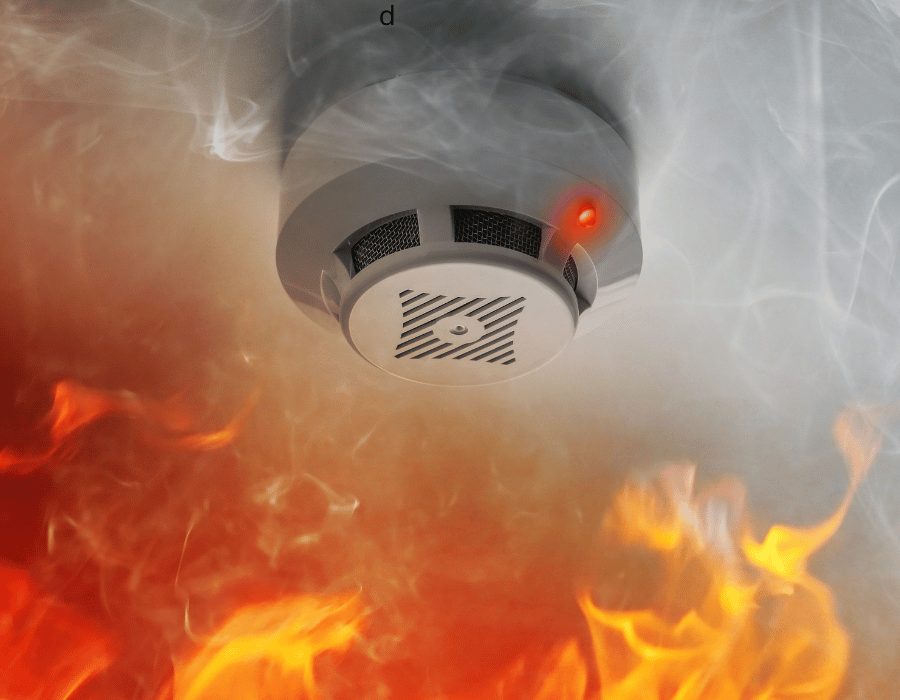
Fire protection is one of the most important investments you can make for your home or business. While installing a fire alarm system is a crucial first step, its effectiveness depends on what happens after an alarm is triggered. If no one is available to respond, valuable time can be lost, allowing a small fire to become a major emergency. That’s why choosing dependable fire alarm monitoring services is essential.
Professional monitoring ensures that alarm signals are received, verified, and immediately forwarded to emergency responders. Whether you manage a commercial property, industrial facility, healthcare center, educational institution, or residential building, selecting the right monitoring provider can significantly improve safety and minimize fire-related risks.
What Are Fire Alarm Monitoring Services?
Fire alarm monitoring services provide around-the-clock supervision of your fire alarm system through a professional central monitoring station. When smoke detectors, heat detectors, sprinkler systems, or manual pull stations activate, the alarm signal is automatically transmitted to trained monitoring specialists.
The monitoring team follows established emergency procedures, verifies the signal when appropriate, and contacts the local fire department along with designated property representatives. This immediate response helps reduce delays and supports faster emergency action.
Unlike standalone alarm systems that only sound locally, monitored systems provide protection even when a building is vacant or occupants are unable to respond.
Why Reliable Monitoring Matters
A fire can spread rapidly in just a few minutes. Delayed notification can result in greater property damage, increased financial loss, and a higher risk to occupants.
Reliable fire alarm monitoring services provide continuous protection regardless of the time of day. Whether your building is occupied, closed for the night, or empty during holidays, professional monitoring ensures that emergency signals receive immediate attention.
This level of protection offers peace of mind for business owners, property managers, homeowners, and facility operators.
Key Features to Look For
Choosing the right provider involves evaluating several important factors.
24/7 Central Station Monitoring
The monitoring center should operate continuously, including nights, weekends, and holidays. Fire emergencies can occur at any time, making uninterrupted monitoring essential.
Fast Response Procedures
Ask how alarm signals are handled and how quickly emergency responders are notified. Efficient communication can reduce response times and help minimize fire damage.
Multiple Communication Methods
Modern systems should support multiple communication paths, including:
- Cellular communication
- Internet-based transmission
- Traditional telephone backup
- Dual-path communication
Multiple pathways improve reliability if one communication method becomes unavailable.
System Supervision
Reliable providers continuously monitor the health of your alarm system. They receive alerts for:
- Power failures
- Low batteries
- Communication interruptions
- Equipment malfunctions
- Disabled devices
Early detection of system issues helps maintain continuous protection.
Experienced Monitoring Personnel
Monitoring professionals should receive ongoing training in emergency response procedures. Their ability to quickly interpret alarm signals and follow established protocols is critical during emergencies.
Certifications and Industry Standards
Before selecting a monitoring provider, verify that they comply with recognized industry standards and local fire safety regulations.
Look for providers that demonstrate:
- Compliance with applicable fire codes
- Regular equipment testing
- Quality assurance programs
- Professional monitoring practices
- Secure monitoring facilities
Working with a qualified provider helps ensure dependable performance when emergencies occur.
Questions to Ask Before Choosing a Provider
Asking the right questions can help you compare monitoring companies effectively.
Consider asking:
- Is monitoring available 24 hours a day?
- How quickly are emergency services notified?
- What communication methods are used?
- Is backup power available?
- Are monitoring centers redundant?
- How are false alarms handled?
- What maintenance services are included?
- Can the system be expanded in the future?
- Is technical support available after hours?
The answers will provide valuable insight into the provider’s reliability and service quality.
Benefits for Businesses
Businesses depend on uninterrupted operations. A fire can cause extensive financial losses, operational delays, equipment damage, and safety concerns.
Reliable fire alarm monitoring services help businesses by:
- Improving employee safety
- Supporting regulatory compliance
- Protecting valuable assets
- Reducing downtime
- Improving emergency response
- Protecting customers and visitors
- Supporting business continuity planning
Many insurance providers also recognize professionally monitored fire alarm systems as an important risk management measure.
Residential Fire Alarm Monitoring
Professional monitoring is equally valuable for homeowners.
Many residential fires occur while occupants are sleeping or away from home. A monitored system ensures emergency responders are notified immediately, even if no one hears the alarm.
Families benefit from:
- Continuous protection
- Faster emergency response
- Greater peace of mind
- Protection during vacations
- Reduced fire damage
- Improved home safety
For elderly residents or families with young children, monitored protection can provide additional reassurance.
Technology Is Changing Fire Monitoring
Advances in technology continue to improve fire alarm monitoring services.
Today’s systems often include:
- Cloud-based monitoring
- Mobile app notifications
- Remote system diagnostics
- Smart building integration
- Real-time status reporting
- Automatic maintenance alerts
These technologies allow property owners to monitor system performance while enabling providers to identify potential issues before they become serious problems.
Artificial intelligence and predictive analytics are also beginning to improve system maintenance by identifying patterns that may indicate equipment failure.
Common Mistakes to Avoid
When choosing a monitoring provider, avoid making decisions based solely on price.
Some common mistakes include:
- Selecting the lowest-cost provider without evaluating service quality
- Ignoring certifications and compliance
- Overlooking backup communication options
- Choosing providers with limited customer support
- Failing to schedule regular inspections
- Not reviewing service agreements carefully
A reliable monitoring service is an investment in long-term safety rather than simply another operating expense.
Long-Term Value of Professional Monitoring
Although professional monitoring involves an ongoing service fee, the value extends far beyond emergency response.
Reliable monitoring can help:
- Protect lives
- Reduce fire damage
- Preserve business operations
- Safeguard valuable equipment
- Support insurance requirements
- Maintain regulatory compliance
- Increase confidence among employees, residents, and customers
The cost of monitoring is often small compared to the potential financial and personal consequences of an uncontrolled fire.
Conclusion
Choosing dependable fire alarm monitoring services is one of the most important decisions you can make for protecting people, property, and business operations. A reliable monitoring provider delivers continuous supervision, rapid emergency notification, advanced communication technology, and experienced personnel who respond whenever an alarm is activated.
Whether you own a home, operate a commercial building, manage multiple properties, or oversee a large industrial facility, professional fire alarm monitoring provides an added layer of security that extends far beyond a traditional alarm system. By carefully evaluating providers, understanding available technologies, and prioritizing quality over cost, you can ensure your property remains protected 24 hours a day, seven days a week, giving you lasting peace of mind and confidence in your fire safety strategy.