
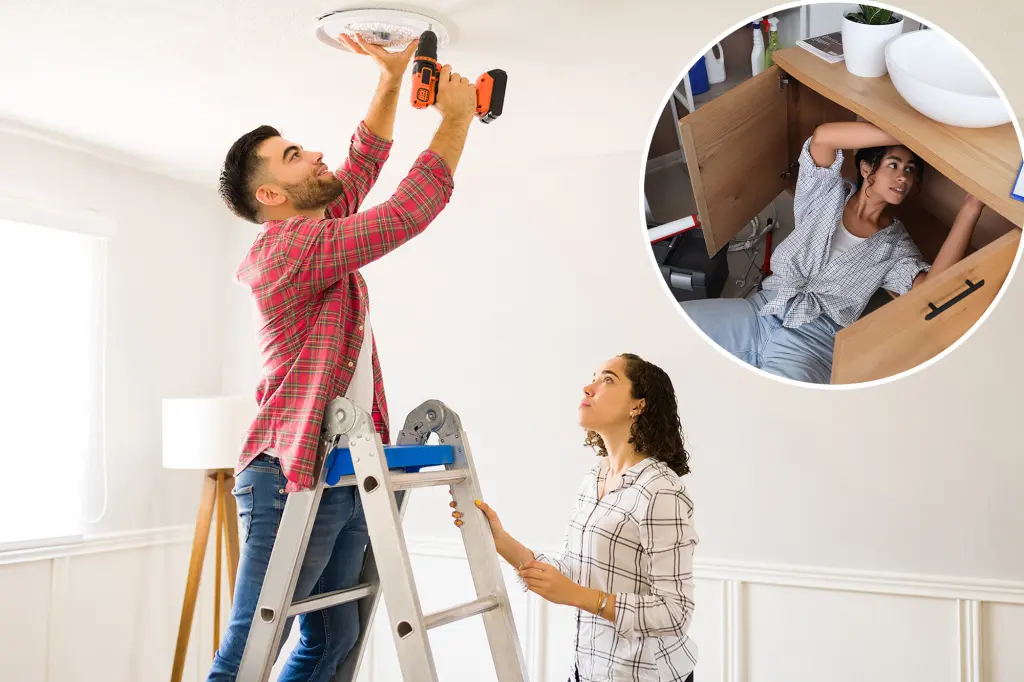
Maintaining a home doesn’t always require hiring professionals for every small issue. With the right knowledge and a few basic tools, many common household problems can be fixed quickly and affordably. DIY home repair hacks not only help you save money but also give you the confidence to handle everyday maintenance tasks. From fixing leaks to repairing walls, learning these simple techniques can make your home more functional and well-maintained.
Essential Tools Every Homeowner Should Have
Before starting any DIY repair project, having the right tools is crucial. A basic toolkit can handle a wide range of household repairs and prevent unnecessary delays. Essential tools include a hammer, screwdrivers, adjustable wrench, pliers, measuring tape, and a utility knife. These tools are versatile and can be used for various tasks around the home.
A cordless drill is another valuable addition, making it easier to install fixtures, assemble furniture, or repair cabinets. Keeping a set of nails, screws, and wall anchors ensures that you’re always prepared for quick fixes.
Safety equipment is just as important as tools. Gloves, safety goggles, and a dust mask can protect you from injuries while working. Proper lighting is also essential to ensure accuracy and safety during repairs.
Organizing your tools in a dedicated toolbox or storage area will save time and make your projects more efficient. Being prepared is the first step toward successful DIY repairs.
Quick Fixes for Common Household Problems
Many common home issues can be resolved with simple DIY solutions. For example, a leaking faucet is often caused by a worn-out washer or seal. Replacing this small component can stop the leak and save water.
Squeaky doors are another frequent annoyance. Applying a small amount of lubricant or oil to the hinges can eliminate the noise instantly. Similarly, loose cabinet handles or door knobs can be tightened with a screwdriver in just a few minutes.
Wall damage, such as small holes or cracks, can be repaired using filler or putty. Once it dries, sanding and repainting the area will restore a smooth finish. For clogged drains, using a plunger or a mixture of baking soda and vinegar can often clear the blockage without the need for harsh chemicals.
Fixing minor electrical issues, like replacing a light switch or socket cover, is also manageable with proper precautions. Always ensure the power is turned off before working with electrical components.
Improving Your Home with Simple DIY Upgrades
DIY projects are not limited to repairs—they can also enhance your home’s appearance and functionality. Installing floating shelves is a great way to add storage and style to any room. These shelves are easy to install and can be customized to fit your space.
Painting is another popular DIY upgrade. A fresh coat of paint can transform a room without requiring a large investment. You can also experiment with accent walls or creative designs to add personality to your space.
Updating fixtures such as faucets, lighting, or cabinet hardware can give your home a modern look. These small changes often have a big impact on the overall design.
Weatherproofing your home is another practical DIY project. Sealing gaps around windows and doors can improve energy efficiency and reduce utility costs. Adding door sweeps or weatherstripping helps keep your home comfortable throughout the year.
These upgrades not only improve your living space but also increase the value of your property.
Knowing When to Call a Professional
While DIY repairs can handle many situations, it’s important to recognize when professional help is necessary. Complex tasks such as major plumbing repairs, electrical work, or structural changes should be handled by experts to ensure safety and compliance with regulations.
Attempting advanced repairs without proper knowledge can lead to further damage and higher costs. If a problem seems beyond your skill level or requires specialized tools, it’s best to consult a professional.
Regular maintenance can help prevent major issues from developing. Scheduling periodic inspections for systems like plumbing, roofing, and electrical wiring ensures that potential problems are identified early.
Balancing DIY efforts with professional assistance is the key to maintaining a safe and efficient home. By handling simple repairs yourself and seeking help when needed, you can keep your home in excellent condition.
DIY home repair hacks empower you to take control of your living space. With the right tools, basic knowledge, and a willingness to learn, you can handle many everyday issues with ease. Not only does this save money, but it also provides a sense of accomplishment and independence in maintaining your home.