Creating an energy-efficient home is not just about reducing electricity bills—it’s about building a sustainable lifestyle that benefits both your wallet and the environment. With rising energy costs and increasing awareness about environmental impact, homeowners are now focusing on smarter ways to conserve energy without compromising comfort. From small daily habits to larger upgrades, adopting energy-efficient practices can significantly improve your home’s performance and reduce long-term expenses.
Improving Insulation and Reducing Energy Loss
One of the most effective ways to make your home energy-efficient is by improving insulation. Poor insulation allows heat to escape during winter and enter during summer, forcing your heating and cooling systems to work harder. Proper insulation helps maintain a stable indoor temperature, reducing the need for excessive energy use.
Start by checking areas such as walls, roofs, and floors for gaps or weak insulation. Sealing cracks around doors and windows can also prevent air leakage. Weatherstripping and caulking are simple solutions that can make a big difference in reducing energy loss.
Double-glazed windows are another excellent upgrade. They provide better thermal insulation compared to single-pane windows, keeping your home comfortable throughout the year. Curtains and blinds can also help regulate indoor temperatures by blocking heat during hot days and retaining warmth during colder months.
Investing in proper insulation not only lowers energy consumption but also enhances overall comfort in your home.
Upgrading to Energy-Efficient Appliances and Lighting
Modern appliances are designed to consume less energy while delivering better performance. Replacing old appliances with energy-efficient models can significantly reduce your electricity usage over time. Look for appliances with high energy ratings, as they are built to operate efficiently.
Lighting is another area where you can make immediate improvements. Switching to LED bulbs is one of the easiest ways to save energy. LEDs use less electricity and last much longer than traditional incandescent bulbs, making them a cost-effective choice.
Smart appliances are also gaining popularity. From refrigerators to washing machines, these devices optimize energy use by adjusting their operation based on your habits. Smart lighting systems allow you to control brightness and schedules, ensuring that lights are only used when needed.
Using power strips to manage multiple devices can also help reduce standby power consumption. Many electronics continue to draw power even when turned off, so unplugging them or using smart power strips can make a noticeable difference.
Adopting Smart Energy Habits in Daily Life
Energy efficiency is not just about upgrades—it’s also about how you use energy on a daily basis. Simple habits can have a significant impact when practiced consistently.
For example, turning off lights and appliances when not in use is a basic yet effective habit. Using natural light during the day reduces the need for artificial lighting. Adjusting your thermostat by a few degrees can also lead to substantial energy savings without affecting comfort.
Using energy-efficient cooking methods, such as using lids on pots or opting for pressure cookers, can reduce cooking time and energy consumption. Similarly, washing clothes in cold water and air-drying them instead of using a dryer can save both energy and money.
Water usage also plays a role in energy efficiency. Heating water requires energy, so using low-flow showerheads and fixing leaks promptly can help reduce consumption. Being mindful of daily habits creates a more sustainable lifestyle over time.
Investing in Renewable Energy and Long-Term Solutions
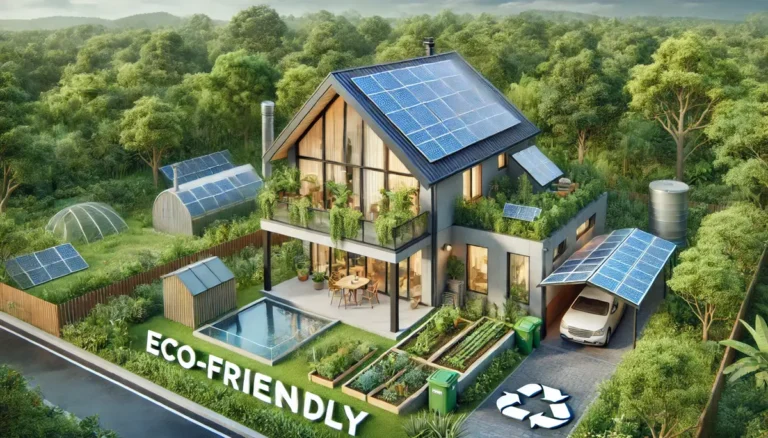
For homeowners looking to take energy efficiency to the next level, renewable energy solutions offer long-term benefits. Solar panels are one of the most popular options, allowing you to generate your own electricity and reduce reliance on traditional power sources.
Although the initial investment may be high, solar systems can significantly lower energy bills over time and even provide returns through energy savings. In some cases, excess energy can be stored or fed back into the grid, further increasing efficiency.
Energy-efficient heating and cooling systems are another worthwhile investment. Modern HVAC systems are designed to consume less energy while maintaining optimal indoor temperatures. Regular maintenance of these systems ensures they continue to operate efficiently.
Home automation systems can also contribute to energy savings. By controlling lighting, temperature, and appliances automatically, these systems optimize energy use without requiring constant manual adjustments.
Creating an energy-efficient home is a continuous process that combines smart upgrades, mindful habits, and long-term planning. By focusing on insulation, efficient appliances, daily practices, and renewable energy solutions, you can significantly reduce your energy consumption while enjoying a comfortable and sustainable living environment.