Introduction
A thoughtfully planned wall unit design can completely transform the look and functionality of a room. Instead of using separate shelves, cabinets, entertainment furniture, and storage pieces, a wall unit can bring everything together into one coordinated system. Modern wall units are especially useful for living rooms, bedrooms, home offices, and multipurpose spaces where organization and visual appeal are equally important.
With the right combination of shelves, cabinets, drawers, lighting, and display areas, a wall unit can provide valuable storage without making a room feel crowded. The design can also be customized to match the home’s architecture, furniture, and personal style.
A custom wall-unit design can transform an ordinary room into a stylish and functional living space. Tailored shelving, cabinets, storage compartments, and display areas help maximize available space while complementing your interior décor. With thoughtful planning, a custom wall unit can provide practical organization and a polished, modern appearance.
What Is a Wall Unit?
A wall unit is a collection of storage and display elements arranged along a wall. It may be freestanding, modular, or built into the room.
Depending on the purpose, a wall unit can include:
- Open shelving
- Closed cabinets
- Drawers
- Entertainment storage
- Display niches
- Bookcases
- Desks
- Decorative panels
- Integrated lighting
The main advantage is that multiple functions can be combined within a single design.
Benefits of a Wall Unit Design
A well-designed wall unit offers more than additional storage. It can improve the overall organization and appearance of a room.
Some important benefits include:
- Better use of vertical space
- Reduced clutter
- Coordinated furniture
- Flexible storage
- Improved room organization
- Attractive display areas
- Customized functionality
Wall units are particularly useful in rooms where floor space is limited because they make use of available wall height.
Living Room Wall Units
Living rooms are one of the most popular locations for modern wall units. A large wall can accommodate a television, books, decorations, electronics, and everyday household items.
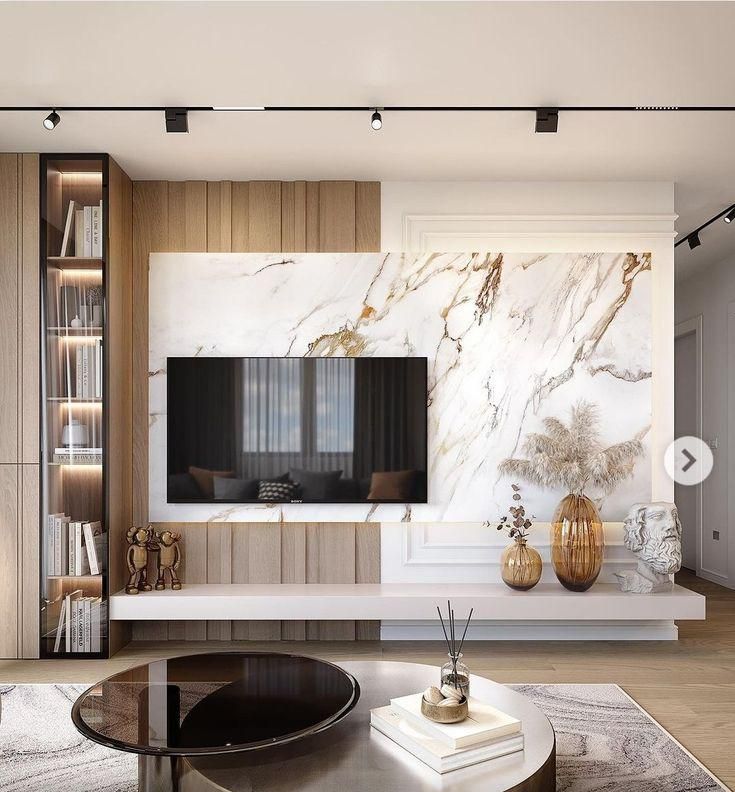
A living room wall unit may combine an entertainment center with cabinets and shelving.
The television can become the visual centerpiece while surrounding storage keeps media equipment and personal belongings organized.
Closed cabinets are useful for items that homeowners prefer to keep out of sight, while open shelves can display books, artwork, photographs, and decorative objects.
Built-In Wall Units
Built-in wall units are designed to fit a specific room. They can extend from floor to ceiling or be customized around windows, doors, fireplaces, and architectural features.
One major advantage of a built-in design is efficient use of available space.
Awkward corners and unused wall sections can become valuable storage areas.
Built-in units can also create a seamless appearance because the cabinetry is designed as part of the room rather than added afterward.
Open Shelving
Open shelves are useful for displaying items that contribute to the room’s character.
Homeowners can use them for:
- Books
- Artwork
- Photographs
- Plants
- Collectibles
- Decorative accessories
However, open shelving should not become overcrowded. Leaving some empty space between objects can make the overall design appear cleaner.
Closed Storage
Closed cabinets provide a practical solution for reducing visual clutter.
They can store documents, electronics, toys, household supplies, games, and other items that do not necessarily need to remain visible.
Combining open and closed storage creates a balanced appearance.
Frequently displayed objects can remain on shelves while everyday clutter stays behind cabinet doors.
Choosing Materials
Material selection has a significant impact on the appearance and durability of a wall unit.
Common options include:
- Solid wood
- Wood veneer
- MDF
- Laminate
- Glass
- Metal
- Engineered wood
Natural wood can create warmth and character, while laminate and painted finishes can provide a clean contemporary appearance.
The best material depends on the room, budget, desired style, and expected level of use.
Color and Finish
The color of a wall unit should complement the surrounding interior.
Light finishes such as white, cream, beige, and light gray can make a room feel bright and spacious.
Natural wood tones can add warmth, while darker finishes can create a dramatic and sophisticated appearance.
For a modern look, some homeowners combine two finishes, such as wood with a neutral painted surface.
Integrated Lighting
Lighting can significantly improve the appearance of a wall unit.
LED strips can be installed underneath shelves or inside display niches to highlight decorative objects.
Cabinet lighting can also make stored items easier to locate.
Warm, subtle lighting can create an inviting atmosphere in a living room, while brighter task lighting may be appropriate for a home office.
Wall Units for Small Spaces
Small rooms can benefit significantly from carefully planned wall storage.
Rather than adding several pieces of furniture across the floor, a vertical wall unit can provide storage while preserving walking space.
Use taller cabinets and shelves to take advantage of unused vertical areas.
Light colors, reflective surfaces, and integrated lighting can also help the room feel more open.
Home Office Wall Units
A wall unit can combine storage and workspace in a home office.
A built-in desk can be positioned between cabinets or beneath shelving.
The surrounding storage can hold books, documents, office supplies, and technology.
Cable-management features should also be considered when the wall unit includes computers, monitors, televisions, or other electronics.
Bedroom Wall Units
Wall units can also provide useful storage in bedrooms.
A bedroom design may incorporate wardrobes, shelves, drawers, and display areas.
A wall-mounted television can be combined with storage below or around it.
For smaller bedrooms, using vertical storage can reduce the need for multiple freestanding furniture pieces.
Entertainment Wall Units
Entertainment centers remain a popular use for wall units.
A modern design can accommodate televisions, gaming consoles, speakers, media equipment, and accessories.
Cable management is particularly important. Concealed cable routes can create a cleaner appearance and reduce visible wires.
Ventilation should also be considered around electronic equipment to help prevent excessive heat buildup.
Customization and Personal Style
The best wall unit design reflects the homeowner’s lifestyle.
A family with children may prioritize closed cabinets and durable materials. Someone who collects books may require extensive shelving. A homeowner who entertains frequently may want an attractive entertainment center with concealed storage.
Customization allows the design to address these individual requirements.
Keeping a Wall Unit Organized
Even a beautiful wall unit can become cluttered if storage is not maintained.
Group similar belongings together and avoid filling every shelf.
Use drawers and cabinets for smaller objects, while reserving display shelves for items that contribute to the room’s appearance.
Regularly remove unused items to prevent storage areas from becoming overcrowded.
Conclusion
A well-planned wall unit design can combine storage, display, entertainment, and workspace into one attractive feature. Whether you prefer a minimalist modern installation, a warm wood design, or a fully customized built-in system, wall units can make better use of vertical space while reducing clutter.
The most effective design begins with understanding how the room will be used. Consider storage requirements, available wall space, materials, colors, lighting, electronics, and future needs before making a decision.
With thoughtful planning, a wall unit can become more than a storage solution. It can serve as a defining feature of the room while providing practical organization and a stylish foundation for modern living.