A kitchen is often considered the heart of the home—a place where meals are prepared, conversations happen, and memories are created. Remodeling your kitchen can significantly improve both the functionality and value of your home. Whether you’re planning a minor upgrade or a complete overhaul, a well-thought-out kitchen remodeling strategy ensures that your investment delivers long-term benefits. With the right balance of design, efficiency, and modern trends, you can create a kitchen that is both practical and visually appealing.
Planning Your Kitchen Layout for Maximum Efficiency
The first step in any successful kitchen remodel is planning the layout. A functional kitchen layout ensures smooth workflow and efficient use of space. One of the most popular concepts is the kitchen work triangle, which connects the sink, stove, and refrigerator. This layout minimizes unnecessary movement and enhances convenience during cooking.
Before making any changes, assess your current kitchen. Identify what works and what doesn’t. Do you need more counter space? Is storage insufficient? Are appliances outdated or poorly positioned? Answering these questions will help you define your priorities.
There are several layout options to consider, including L-shaped, U-shaped, galley, and open-plan kitchens. Open kitchens are increasingly popular as they create a seamless flow between the kitchen and living areas, making the space feel larger and more social. However, the right choice depends on your home’s structure and your lifestyle.
Proper spacing is also essential. Ensure there is enough room to move comfortably, open cabinets, and operate appliances without obstruction. A well-planned layout lays the foundation for a successful remodeling project.
Choosing the Right Materials and Finishes
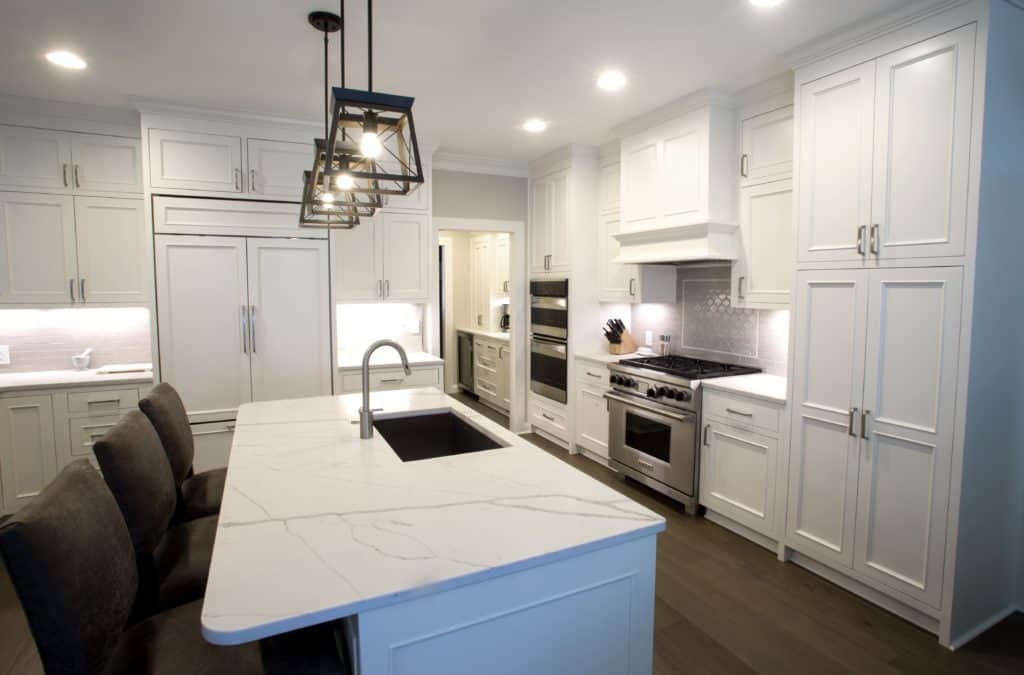
The materials you choose for your kitchen play a major role in its durability, appearance, and maintenance requirements. Countertops, cabinets, flooring, and backsplashes should all be selected carefully to ensure they complement each other while meeting your practical needs.
For countertops, materials like granite, quartz, and marble are popular due to their durability and aesthetic appeal. If you’re looking for a budget-friendly option, laminate countertops offer a wide range of designs at a lower cost. Cabinets are another key element, and their style can define the overall look of your kitchen. Whether you prefer a modern, minimalist design or a classic wooden finish, choose cabinets that provide both beauty and functionality.
Backsplashes are an excellent way to add personality to your kitchen. From simple subway tiles to bold patterns, they protect your walls while enhancing visual appeal. Flooring options such as tiles, vinyl, and hardwood should be chosen based on durability and ease of cleaning, especially in a high-traffic area like the kitchen.
Finishes and color schemes also matter. Neutral tones create a timeless look, while bold colors can make a statement. Mixing textures and finishes can add depth and character to your kitchen design.
Incorporating Modern Appliances and Smart Features
Modern kitchens are not just about looks—they are about convenience and efficiency. Upgrading your appliances can significantly improve your cooking experience while reducing energy consumption. Energy-efficient appliances not only save money on utility bills but also contribute to a more sustainable home.
Consider investing in smart kitchen technology. Smart refrigerators, ovens, and lighting systems allow you to control and monitor your kitchen remotely. For example, you can preheat your oven using your smartphone or adjust lighting to suit different moods and tasks.
Storage solutions have also evolved with modern designs. Pull-out drawers, lazy Susans, and vertical storage units help maximize space and keep your kitchen organized. Built-in appliances and hidden storage compartments can create a clean and clutter-free look.
Lighting is another important aspect. Combine task lighting, ambient lighting, and accent lighting to create a well-lit and inviting space. Under-cabinet lighting is particularly useful for illuminating work areas while adding a modern touch.
Budgeting and Execution for a Smooth Remodeling Process
A successful kitchen remodel requires careful budgeting and execution. Start by determining how much you are willing to spend and break down the costs into categories such as materials, labor, and appliances. It’s important to prioritize your spending based on your needs. For example, investing in high-quality cabinets and countertops may be more beneficial than spending heavily on decorative elements.
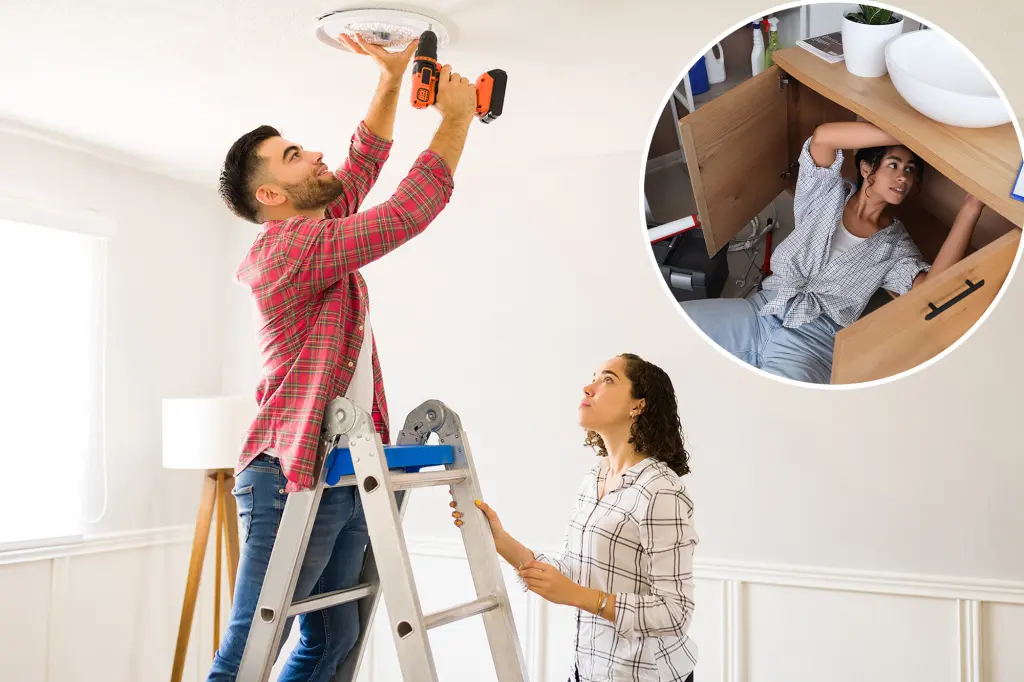
Hiring professionals can make a significant difference, especially for complex tasks like plumbing and electrical work. However, if you have the necessary skills, you can handle smaller tasks yourself to save money. Always ensure that any work done meets safety standards and building regulations.
Timing is another crucial factor. Kitchen remodeling can disrupt your daily routine, so plan accordingly. Set a realistic timeline and be prepared for potential delays. Communication with contractors and suppliers is key to keeping the project on track.
Finally, don’t overlook the importance of finishing touches. Accessories such as handles, lighting fixtures, and decor elements can enhance the overall look of your kitchen. These details may seem small, but they play a significant role in creating a cohesive and polished design.
A well-executed kitchen remodel can transform your home, making it more functional, stylish, and enjoyable. By focusing on smart planning, quality materials, modern features, and careful budgeting, you can create a kitchen that meets your needs and reflects your personal style.