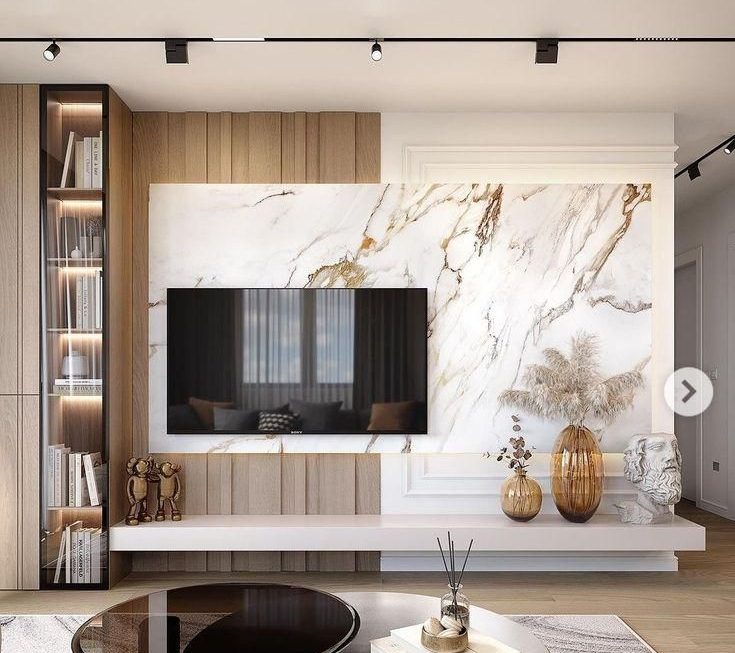
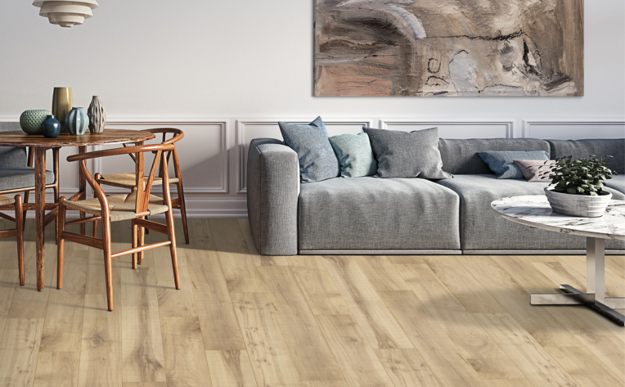
Upgrading your flooring is one of the most effective ways to enhance the appearance, comfort, and value of your home. Floors are a foundational element of interior design, influencing both the aesthetic and functionality of every room. Whether you’re renovating a single space or your entire home, choosing the right flooring can make a significant difference. With a wide range of materials and styles available, understanding your options will help you make a smart and lasting investment.
Understanding Different Flooring Types and Their Benefits
Before selecting a flooring option, it’s important to understand the characteristics of different materials. Each type of flooring offers unique advantages in terms of durability, maintenance, and appearance.
Hardwood flooring is a classic choice known for its natural beauty and long lifespan. It adds warmth and elegance to any room and can be refinished multiple times to maintain its appearance. However, it may not be ideal for areas exposed to high moisture.
Laminate flooring is a popular alternative to hardwood, offering a similar look at a more affordable price. It is resistant to scratches and easy to maintain, making it suitable for high-traffic areas. Vinyl flooring, especially luxury vinyl planks, is another versatile option. It is water-resistant, durable, and available in a wide variety of designs that mimic natural materials.
Tile flooring is highly durable and perfect for areas like kitchens and bathrooms. Ceramic and porcelain tiles are resistant to water and stains, making them easy to clean. Carpet, on the other hand, provides comfort and warmth, making it a great choice for bedrooms and living rooms.
Each flooring type has its own strengths, so your choice should depend on your specific needs and lifestyle.
Choosing Flooring Based on Room Functionality
Different rooms in your home have different requirements, and your flooring choice should reflect that. For example, moisture-resistant materials are essential in bathrooms and kitchens, while comfort and warmth are more important in bedrooms and living areas.
In high-traffic areas such as hallways and entryways, durability is key. Materials like tile, vinyl, or laminate are ideal for these spaces as they can withstand heavy use. For living rooms, hardwood or carpet can create a cozy and inviting atmosphere.
Kitchens require flooring that is both durable and easy to clean. Spills and stains are common in this area, so water-resistant materials like tile or vinyl are often the best choice. In bathrooms, slip-resistant surfaces are important for safety, along with materials that can handle humidity.
If you have children or pets, consider flooring that is scratch-resistant and easy to maintain. Choosing the right flooring for each room ensures that your home remains functional and comfortable.
Modern Trends and Design Considerations
Flooring trends have evolved significantly, offering homeowners a wide range of stylish options. Natural and eco-friendly materials are becoming increasingly popular, as more people look for sustainable solutions. Bamboo and cork flooring are excellent examples of environmentally friendly choices that also provide unique aesthetics.
Color and texture play a major role in modern flooring design. Light-colored floors can make a space feel larger and more open, while darker tones add richness and sophistication. Textured finishes, such as hand-scraped or distressed wood, add character and depth to a room.
Patterned flooring is another trend gaining popularity. Herringbone and chevron patterns, for example, create visual interest and a sense of luxury. Mixing different materials, such as combining wood with tile, can also result in a unique and personalized design.
Consistency throughout your home is important for a cohesive look. While it’s okay to use different materials in different rooms, maintaining a similar color palette helps create a harmonious flow.
Installation, Budgeting, and Maintenance Tips
Proper installation is crucial for the longevity and performance of your flooring. While some flooring types, like laminate and vinyl, can be installed as DIY projects, others, such as hardwood or tile, may require professional installation for the best results.
Budgeting is an important part of the flooring upgrade process. In addition to the cost of materials, consider expenses such as installation, underlayment, and maintenance. It’s often worth investing in higher-quality materials that offer better durability and long-term value.
Maintenance requirements vary depending on the type of flooring. Hardwood floors may need periodic refinishing, while carpets require regular vacuuming and occasional deep cleaning. Tile and vinyl are generally easier to maintain, requiring only routine cleaning to keep them looking new.
Protecting your flooring from damage is also essential. Using rugs in high-traffic areas, placing pads under furniture, and cleaning spills promptly can help extend the life of your floors.
Upgrading your flooring is more than just a visual improvement—it’s an investment in the comfort and functionality of your home. By understanding different materials, considering room-specific needs, and following proper installation and maintenance practices, you can choose flooring that enhances your living space for years to come.