Your roof is one of the most critical components of your home, acting as the first line of defense against weather, environmental damage, and structural wear. Over time, even the most durable roofs can develop issues such as leaks, cracks, or missing shingles. Addressing these problems early with the right repair solutions can save you from costly damage and extend the lifespan of your roof. Whether you’re dealing with minor wear or significant structural concerns, understanding effective roof repair strategies is essential for maintaining a safe and secure home.
Identifying Common Roof Problems Early
The key to successful roof repair is early detection. Small issues can quickly escalate into major problems if left unaddressed. One of the most common signs of roof damage is water leakage. If you notice water stains on ceilings or walls, it may indicate a compromised roof. Damp spots, mold growth, or peeling paint are also warning signs that moisture is entering your home.
Another common issue is damaged or missing shingles. Shingles can crack, curl, or fall off due to age, weather conditions, or poor installation. Inspecting your roof regularly—especially after storms—can help you identify these problems early.
Clogged or damaged gutters can also affect your roof’s health. When gutters are blocked, water can accumulate and seep under roofing materials, leading to damage over time. Additionally, sagging areas on the roof may indicate structural issues that require immediate attention.
Regular inspections, both from the ground and by professionals, can help you stay ahead of potential problems. Preventive maintenance is always more cost-effective than major repairs.
Choosing the Right Materials for Roof Repairs
Selecting the appropriate materials is crucial for durable and long-lasting roof repairs. The type of material you choose should match your existing roof and suit your local climate conditions.
Asphalt shingles are one of the most commonly used roofing materials due to their affordability and ease of installation. They are available in various styles and colors, making them a versatile option for many homeowners. For those seeking durability, metal roofing is an excellent choice. It offers resistance to harsh weather conditions and has a longer lifespan compared to traditional materials.
Tile and slate roofs provide a more premium look and exceptional durability but may require specialized installation and repair techniques. If your roof uses these materials, it’s best to consult experienced professionals for repairs.
Sealants and waterproof coatings are often used for minor repairs, such as fixing small leaks or cracks. These solutions can provide temporary protection, but they should not replace more permanent repairs when needed.
Using high-quality materials ensures that your repairs last longer and reduces the need for frequent maintenance.
DIY Repairs vs Professional Roofing Services
When it comes to roof repairs, homeowners often face the decision of whether to handle the work themselves or hire professionals. While some minor repairs can be done as DIY projects, it’s important to understand the limitations and risks involved.
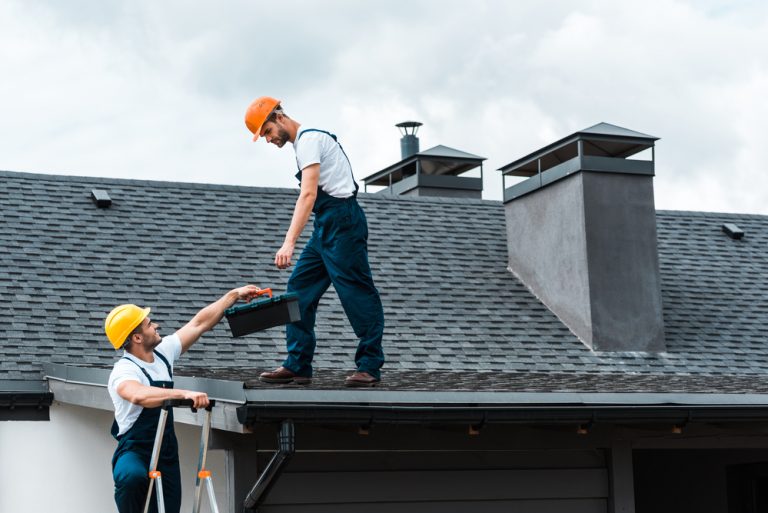
Simple tasks such as replacing a few shingles, sealing small leaks, or cleaning gutters can often be managed with basic tools and safety precautions. However, working on a roof can be dangerous, especially without proper equipment or experience.
For more complex issues, such as structural damage, extensive leaks, or large-scale repairs, hiring professional roofing contractors is highly recommended. Professionals have the expertise, tools, and safety training required to handle repairs efficiently and effectively.
Another advantage of hiring experts is the assurance of quality work. Many contractors provide warranties on their services, giving you peace of mind. Additionally, they can identify underlying issues that may not be visible to an untrained eye.
Balancing cost and safety is essential when deciding between DIY and professional repairs. While DIY projects can save money, improper repairs may lead to more expensive problems in the future.
Preventive Maintenance for Long-Term Roof Health
Preventive maintenance is the best way to extend the life of your roof and minimize the need for repairs. Regular upkeep helps you identify potential issues early and ensures that your roof remains in good condition.
Start by scheduling routine inspections, ideally twice a year and after major weather events. Cleaning gutters and downspouts is another important maintenance task, as it prevents water buildup and reduces the risk of leaks.
Trimming overhanging branches can also protect your roof from damage caused by falling debris. Leaves and branches can accumulate on your roof, trapping moisture and leading to deterioration over time.
Proper attic ventilation and insulation play a significant role in maintaining roof health. Poor ventilation can cause heat and moisture buildup, which can damage roofing materials and reduce their lifespan.
Investing in regular maintenance not only protects your roof but also enhances the overall safety and efficiency of your home. By taking a proactive approach, you can avoid costly repairs and ensure that your roof continues to provide reliable protection for years to come.
A well-maintained roof is essential for the safety and comfort of your home. By understanding common issues, choosing the right materials, and adopting effective repair and maintenance strategies, you can keep your roof in excellent condition and safeguard your investment.