
Have you ever walked into a gorgeous, newly renovated apartment or modern glass office, only to feel instantly exhausted by the noise? Hard tile floors, bare concrete ceilings, and floor-to-ceiling windows look sleek in magazines, yet they turn ordinary conversations into a chaotic soup of echoes. That’s where thoughtful acoustic panel design steps in to rescue your sanity and your ears. When you blend smart acoustic panel design into your layout from day one, you don’t have to sacrifice visual style just to enjoy a quiet cup of coffee or a clear video call.
Let’s be real, most people treat sound as an afterthought until they move in and realize they can hear their own footsteps bouncing off the walls. I used to think acoustic treatments meant gluing ugly gray egg-crate foam onto the drywall like a basement garage band. Boy, was I wrong. Today’s acoustic solutions look like bespoke architectural millwork, textured textile art, or sculptural ceiling clouds. Whether you are outfitting a compact HDB flat, a bustling open-plan agency in Singapore, or a cozy home theater, getting the acoustics right changes how a room actually feels to live and work in.
Key Takeaways
- Prioritize Reflection Points: You rarely need to cover every wall; treating first reflection points behind TVs, near desks, or on bare ceilings stops most echo immediately.
- Match Material to Aesthetics: Fabric-wrapped panels offer high sound absorption with an upholstered look, while slatted wood panels add warmth and diffuse sound waves naturally.
- Check the NRC Rating: Aim for a Noise Reduction Coefficient (NRC) of 0.75 or higher for living spaces and meeting rooms where speech clarity matters most.
- Account for Local Climate: In humid environments like Singapore, moisture-resistant cores and proper mounting prevent warping, sagging, and mold growth over time.
- Balance Absorption and Diffusion: Mixing absorptive surfaces with diffusive wood textures keeps a room feeling lively and natural rather than uncomfortably “dead.”
Why Modern Interiors Struggle with Echo and Noise
Minimalist architecture loves hard, reflective surfaces. Polished porcelain tiles, quartz countertops, glass partitions, and bare gypsum walls bounce sound waves back and forth like a ping-pong ball in a tiled bathroom. In acoustic engineering, this lingering bounce is measured as Reverberation Time (RT60), which is the time it takes for a sound to decay by 60 decibels. When RT60 drags on too long, consonants blur together, forcing your brain to work overtime just to decode normal speech.
Here’s the thing: chronic background reverberation doesn’t just make Zoom calls annoying. It triggers subtle stress responses, raises vocal fatigue because everyone speaks louder to be heard (known as the Lombard effect), and kills concentration in open offices. And in compact urban homes, sound travels effortlessly down hallways and bounces off bare living room walls, turning a simple movie night into an exhausting wall of muddled audio.
Core Elements of Effective Acoustic Panel Design
Designing a calm space isn’t about slapping random squares onto drywall and hoping for the best. It takes a balance of physics, material science, and eye-level interior styling.
Absorption vs. Diffusion
Not all acoustic treatments do the exact same job, and mixing them is usually the secret sauce behind rooms that feel effortlessly calm.
- Absorptive Panels: These rely on porous, dense cores like fiberglass, mineral wool, or recycled PET felt to trap sound energy and convert it into tiny amounts of heat. They stop flutter echo dead in its tracks and are essential for bedrooms, home offices, and conference rooms.
- Diffusive Panels: Instead of soaking up all the sound, diffusers scatter sound waves in multiple directions. Think of grooved wood slats or geometric 3D ridges. They prevent harsh slap-back echoes while keeping a living room or dining area sounding open, warm, and natural.
- Hybrid Solutions: Many contemporary panels combine a slatted timber face over a high-density acoustic felt backing. You get the rich architectural look of fluted wood alongside serious mid-to-high-frequency sound absorption.
Understanding Noise Reduction Coefficient (NRC)
When comparing product specs, look straight at the Noise Reduction Coefficient (NRC). This rating runs from 0.00 (completely reflective, like glass) to 1.00 (almost total absorption). For everyday residential living rooms or collaborative workspaces, panels rated between 0.75 and 0.95 hit the sweet spot. Anything much lower than 0.50 acts more like wall decor than a genuine acoustic fix, meaning you’d need twice as many panels to notice a difference.
Thickness and Frequency Targeting
Thin felt tiles (around 9mm to 12mm) work fine for taking the sharp edge off high-pitched clatter, like keyboard clicks or silverware. However, human voices sit squarely in the mid-frequency range, and air conditioning hums live down in the low end. Stepping up to 25mm or 50mm thick panels dramatically improves mid-range speech clarity, while adding a small air gap behind the panel boosts low-end performance without buying bulkier materials.
Popular Materials and Styles for Homes and Offices
The visual language of your room dictates which finish makes the most sense. Nobody wants a boardroom or master bedroom looking like a sterile testing lab.
Fabric-Wrapped Acoustic Panels
If you want maximum performance disguised as tailored upholstery, fabric-wrapped panels are hard to beat. Built with a rigid timber or aluminum frame packed with dense acoustic core and wrapped in acoustically transparent woven textile, they blend seamlessly into painted drywall. You can color-match them to your existing paint palette for an invisible look, or pick bold contrasting hues in clean geometric grids to create a deliberate focal wall behind a sofa or headboard.
Slatted Wood and Fluted Timber Panels
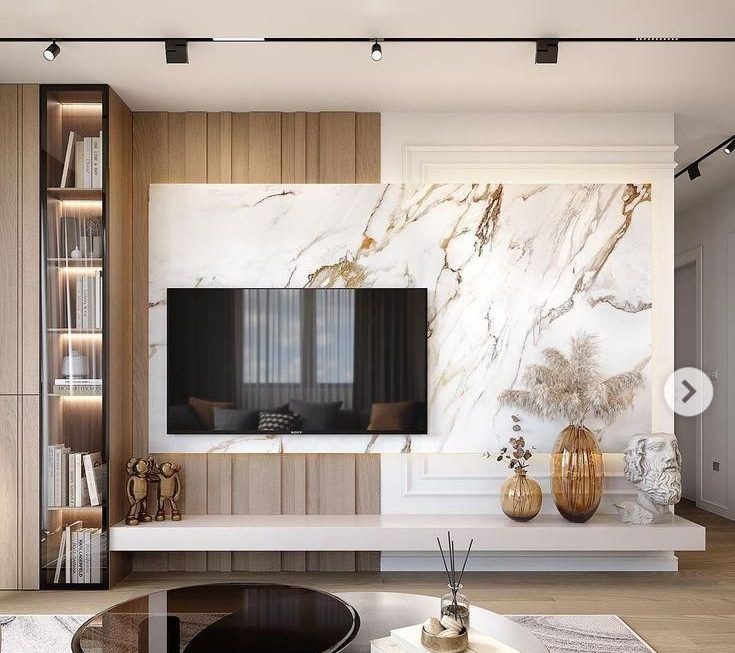
Fluted wall panels have taken over residential interior design for good reason. Real oak, walnut, or ash veneer slats mounted over black or charcoal acoustic felt bring instant warmth to sterile white-box condos. Beyond looking like custom carpentry, the gaps between the timber slats allow sound waves to pass into the felt backing behind them, taming echoes behind a TV console or along a long dining room wall.
Sculptural PET Felt and Ceiling Baffles
Made largely from recycled plastic bottles, compressed PET felt is lightweight, durable, and easy to cut into hexagons, waves, or beveled tiles. Because it resists moisture and impacts well, it’s a favorite for high-traffic corridors, kids’ playrooms, and modern co-working hubs. When wall space is limited by windows or shelving, suspending PET felt clouds or vertical baffles from the ceiling captures rising sound waves before they bounce back down onto workstations.
Smart Placement Strategies That Actually Work
You don’t need to carpet-bomb every square inch of drywall to fix a noisy room. In fact, over-treating a room makes it feel unnaturally dead and claustrophobic. Focus on first reflection points—the exact spots where sound waves hit a hard surface first before reaching your ears.
- Behind the Media Console or Sofa: In living rooms, sound fires out from TV speakers, hits the opposite wall behind the couch, and bounces straight back. Placing a triptych of decorative panels behind the sofa cleans up dialogue clarity immediately.
- Parallel Walls in Home Offices: Sit at your desk and clap your hands sharply once. If you hear a metallic “zing” or rapid flutter, sound is bouncing between two parallel side walls. Treating just one of those walls breaks the loop.
- Above Open Workstations and Dining Tables: High or bare concrete ceilings act like giant megaphones. Hanging acoustic ceiling clouds directly above a conference table or dining zone absorbs upward-traveling voices right at the source.
- Corner Bass Traps for Media Rooms: Low-frequency boominess tends to pool in room corners. Triangular or thick corner-mounted panels tighten up bass response so music and film soundtracks sound crisp rather than muddy.
Practical Buying Tips for Humid Climates and Busy Spaces
Living in a tropical, high-humidity environment like Singapore introduces a few real-world headaches that overseas design blogs often gloss over. Moisture is the natural enemy of porous materials. Cheap foam or untreated fiberboard cores can absorb ambient humidity, leading to warping, musty odors, or sagging fabric over time.
Always verify that your panels use moisture-resistant cores and commercial-grade adhesives, especially if you plan to mount them near air-conditioning vents or large windows. Fire safety ratings matter too, particularly for commercial office fit-outs where building management requires Class A fire-rated materials and low-VOC certifications for healthy indoor air quality.
And don’t forget everyday maintenance. If you have young kids or pets, dark-toned PET felt or wipeable wood slats hide scuffs far better than pale linen weaves. For fabric panels, a quick pass every few months with a vacuum cleaner’s soft brush attachment keeps dust from settling into the weave and dulling the acoustic pores.
Frequently Asked Questions
Do acoustic panels stop noise from coming through walls from neighbors?
No, acoustic panels improve sound quality inside a room by absorbing internal echoes and reverberation, whereas soundproofing blocks noise from entering or leaving a space. To stop traffic noise or noisy neighbors, you need heavy mass, airtight seals, and structural isolation rather than lightweight wall panels.
How many acoustic panels do I need for a standard bedroom or home office?
For an average-sized home office or bedroom (around 10 to 15 square meters), covering roughly 15% to 20% of the bare wall surface usually eliminates noticeable echo. Starting with three to four medium-sized panels placed at primary reflection points behind your desk or bed makes an immediate, audible difference without crowding the decor.
Can I install acoustic panels myself without damaging rental walls?
Yes, lightweight PET felt tiles and smaller foam or fabric panels can be mounted using heavy-duty removable mounting tape, Command strips, or hook-and-loop Velcro strips. However, heavier slatted wood panels or thick fiberglass frames require mechanical brackets, French cleats, or construction adhesive for safe, long-term support.
When you step back and look at a room as a whole, visual beauty only gets you halfway to true comfort. A space might look like a serene sanctuary on paper, yet feel chaotic the moment someone speaks or turns on the television. By treating acoustic panel design as an integral part of your interior palette rather than a last-minute band-aid, you create rooms that invite genuine rest, deeper focus, and effortless conversation. What room in your home or workplace gives you the biggest acoustic headache right now?