
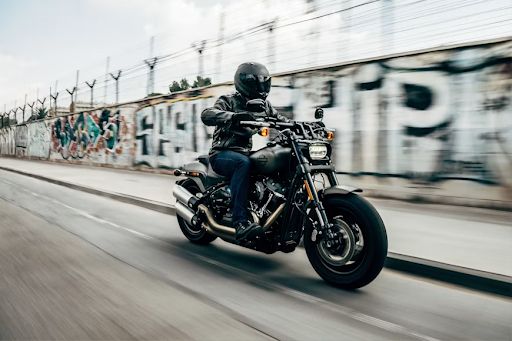
Covering hundreds of miles on a motorcycle demands a completely different approach to preparation compared to short trips around town, since riders face hours of continuous exposure to wind, weather, and physical fatigue. Choosing the right motorcycle gear for these longer journeys can determine whether your trip feels like an exciting adventure or an exhausting endurance test. Here’s what serious long-distance riders should prioritize before hitting the highway for an extended trip.
1. A Comfortable Touring Helmet
For extended hours on the road, a touring-specific helmet offers superior noise reduction, ventilation, and aerodynamic design compared to standard models built for shorter, everyday rides.
This category of motorcycle gear often includes features like removable liners, anti-fog visors, and additional padding designed to prevent pressure points during long stretches without breaks or rest stops.
2. A Versatile Touring Jacket
Jackets designed specifically for touring include more storage compartments, superior weatherproofing, and adjustable ventilation systems that adapt to shifting conditions throughout a multi-hour ride across changing landscapes.
This type of motorcycle gear typically features removable thermal liners, allowing riders to adjust quickly as temperatures change between morning departures and evening arrivals at their destination.
3. Breathable, Reinforced Riding Pants
Long hours in the saddle require pants that balance protection with breathability, since overheating becomes a genuine concern during extended daytime riding under direct sun.
Look for options with mesh ventilation panels, removable armor, and articulated knees, allowing natural movement without sacrificing safety during continuous hours of highway or backroad travel across varied terrain.
4. Durable, Waterproof Touring Boots
Unlike casual rides where dismounting happens frequently, long-distance touring often means staying in the saddle for extended periods without much of a break at all.
Quality motorcycle gear for touring should include waterproof construction, ample cushioning, and enough flexibility to prevent foot fatigue across consecutive days of riding through varying terrain and unpredictable weather.
5. Adjustable Layering Systems
Temperature swings become far more noticeable on long trips that cross different elevations, climates, or times of day throughout the journey.
Many experienced touring riders build a layering system into their motorcycle gear, using heated vests or moisture-wicking base layers that can be added or removed as needed, keeping comfort consistent regardless of unpredictable weather along the entire route.
6. Ergonomic Gloves and Storage Accessories
Since hands remain engaged on the handlebars for hours at a stretch, gloves designed with gel padding and pre-curved fingers reduce fatigue significantly compared to standard, everyday options.
Pairing these with saddlebags, tank bags, or tail packs rounds out a complete motorcycle gear setup, ensuring riders have easy access to essentials without needing constant, time-consuming stops.
Final Thoughts
Preparing properly for long-distance motorcycle trips comes down to investing in motorcycle gear built specifically for extended comfort, adaptability, and reduced fatigue rather than settling for everyday equipment meant for shorter rides. By prioritizing quality helmets, jackets, and touring-specific accessories, riders can spend more energy enjoying the journey itself rather than battling discomfort mile after mile on the road. Taking time to test and adjust gear before a major trip ultimately makes the difference between an exhausting ride and a genuinely memorable one worth repeating.